

How do you win a photo contest? There’s no simple answer — and definitely no secret formula that guarantees a win.
But there are things you can do to give your photos a better chance.
Entering a photo contest can be exciting, but choosing what to submit isn’t always easy. Which photo should you pick? Is it strong enough? Does it really fit the theme? And what are the judges actually looking for? After seeing thousands of contest entries, we’ve noticed a few things that are worth thinking about before you hit that SUBMIT button.
Here are 10 tips to keep in mind before entering your next photo contest.
1. Read the rules. Seriously.
Before choosing your photos, take a few minutes to read the contest rules.
Check the theme, dates, editing restrictions, file requirements — all the
boring stuff. It can save you from having a great photo disqualified for
a simple reason.
We know reading rules isn’t the most exciting part of entering a contest. But take a few minutes and do it before you start choosing your photos. It can save you from having a great image removed for a simple reason.
If the rules say not to submit photos that you already entered in a similar contest in previous years, don’t submit them again. If the contest is black-and-white only, don’t send a color photo. If watermarks aren’t allowed, make sure your name or logo isn’t hidden in a corner.
Every contest is a little different, so even if you’ve entered plenty of them before, it’s worth checking the rules one more time.
2. Make sure your photo actually fits the theme.
This one sounds obvious, but we see it all the time. Sometimes you have a photo you really love, and you want to find a way to make it fit the theme. Usually, if you have to think too hard about how it fits, it probably doesn’t.
For example, if the theme is still life, a portrait or a beautiful flower growing outside isn’t really what the contest is asking for. Still life is generally about arranged, non-living subjects photographed with some intention behind the composition.
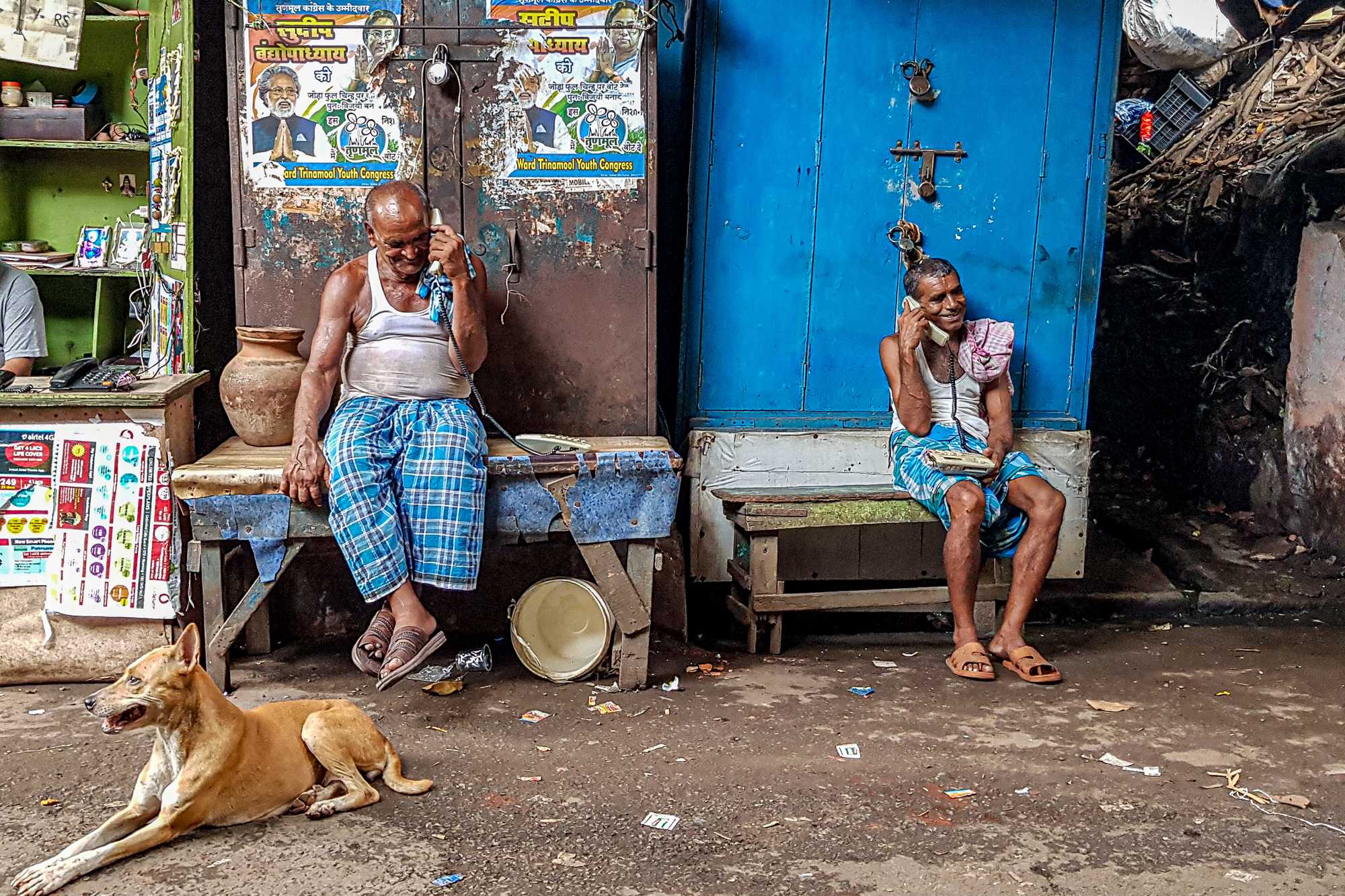
The same thing happens with lifestyle photography. Look at the photo below — it’s a good example of a real-life situation that feels natural rather than arranged for the camera. For a lifestyle contest, try to avoid formal portraits and obviously staged photos. Event photography can be tricky too. It may be candid and full of movement, but that doesn’t necessarily make it lifestyle photography.
A good test is to forget the title and description for a moment.
Does the photo still clearly fit the theme on its own?
3. Take a look at previous winners.
Before entering, spend a little time looking at the winners from previous contests on the platform.
Not to figure out what you should copy. Actually, doing that is probably the last thing you want to do.
Instead, look at the overall level and style of the photography. What kind of images make you stop? Are they more emotional, technical, simple, unusual, documentary, artistic?
After looking through a few contests, you’ll also get a better feeling for the platform’s general aesthetic and what kind of work tends to stand out there. It can help you decide which photos from your own portfolio might be a good fit.
4. Be picky with your own work.
Choosing your own work is hard. Sometimes we love a photo because we remember everything that happened around it — the trip, the person in the photo, how difficult it was to get the shot, or just how we felt at that moment.
The judges don’t know any of that. They only see the image in front of them.
So when you’re making your selection, try to forget the story behind the photo for a minute and look at it as if someone else took it.
Would you still choose it?
Also, don’t feel like you have to fill every available entry. If you have five entry spots but only three photos you really believe in, submitting those three can be a much better choice than adding two weaker ones just because you can.
5. Ask yourself: would I stop scrolling for this?
Imagine seeing your photo mixed in with hundreds of others. Would something about it make you stop?
It doesn’t need to be the brightest, craziest or most dramatic photo in the contest. Sometimes it’s a look, a small detail, beautiful light, an unusual composition or simply a moment that makes you want to stay with the image for another few seconds.
And if you’ve looked at your own photos so many times that you can’t decide anymore, get a second opinion.
Show your selection to a friend or, even better, another photographer. Don’t tell them which one is your favorite. Just ask: Which one caught your attention first? Which one did you spend the most time looking at?
You might be surprised by their answer.
6. Don’t let editing do all the work.
There’s nothing wrong with editing. In fact, sending a completely raw-looking image straight from the camera isn’t always the best idea either.
Take some time with it. Adjust the exposure, light, and colors. Think about the crop. Straighten the frame if it needs it. Remove a small distracting element if the contest rules allow it. Editing can help bring the photograph closer to what you saw or felt when you took it.
But there’s a point where editing starts taking over.
If your photograph begins to look more like an illustration, digital artwork, or collage, think twice before submitting it to a traditional photography contest. Unless the competition specifically welcomes this kind of work, it may simply be too far from what the judges are looking for.
You don’t need to leave your photo untouched, and you don’t need to edit every inch of it either. Do enough to make the photograph stronger, then stop.
We talk more about editing photos for competitions and where that line can be in our article "Why You Should Edit Photos Before Submitting to Photo Contests".
7. Look at your photo one last time before hitting Submit.
You’ve chosen the photo, edited it and probably looked at it a hundred times already. Look at it once more — full size.
Not as an Instagram-sized image. Not as a thumbnail.
Zoom in and check the focus. Look at the edges of the frame. Check the highlights and shadows. Look for strange editing marks, halos, noise, dust spots or something awkward in the background that you somehow missed before.
And yes, double-check that you’re uploading the correct file. Anyone who has folders full of files called
8. Don’t always go with the obvious choice.
Technically perfect doesn’t automatically mean memorable. Sometimes a
slightly unusual frame, a real moment, an interesting detail or a photo
with a story behind it is much harder to forget.
Perfect focus, nice light, beautiful colors, clean composition — everything is where it should be.
But does it make you feel anything?
Sometimes a photo that isn’t quite so perfect has much more personality. Maybe there’s an unexpected expression, a strange little detail, an unusual crop or a moment that happened for half a second and could never be repeated.
Technical quality matters, of course. But a photography contest isn’t a test of which camera produced the cleanest file.
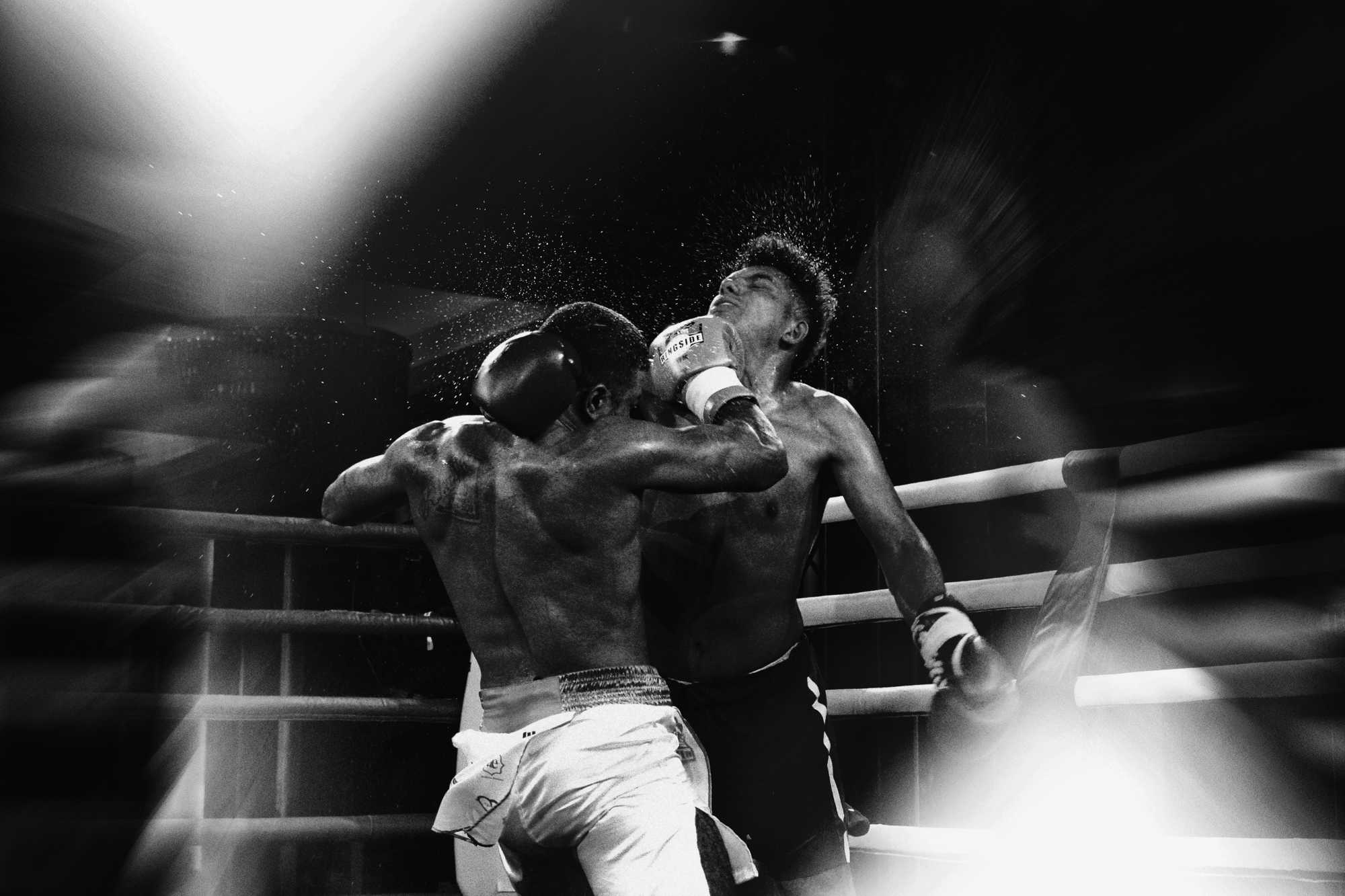
Look at the photo below, for example. Think about what made you look at it — not just whether everything in it is technically perfect.
When you’re deciding between a very safe photo and one that has something a little different about it, don’t automatically dismiss the second one.

9. Didn’t win? Don’t overthink it.
Photography competitions are judged by people, and people have different
tastes. A photo that doesn’t make the cut in one contest could do
incredibly well in another.
In other words, you submit a photo you love. You wait for the results. And then your photo isn’t there.
It’s disappointing. That’s normal.
But one contest result doesn’t suddenly make that photograph bad.
Real people are sitting on the other side making these choices, and every judge sees photography differently. Give the same group of photos to another jury and the final selection could look completely different.
Pay attention to the results, especially if you enter regularly. There’s something to learn from them. But don’t use one contest as the final answer to whether your work is good enough.
That same photo might do much better in another competition — or simply be seen by the right person somewhere else.
10. Keep entering.
This might be the most important one.
Winning is great. Of course it is. But there’s another benefit to entering contests that you might not notice right away.
You get much better at choosing your own photos.
After a while, you start seeing the difference between a photograph you love because of the memory attached to it and a photograph that can say something to someone who wasn’t there.
You become more selective. You start noticing things in your own work that you didn’t notice before. And you slowly figure out what makes your photography yours.
So enter the contests that make sense for your work, send the photos you really believe in, see what happens and keep going.
And sometimes, that photo you almost didn’t submit might be exactly the one that gets noticed.