

For Iranian photographer Mostafa Nodeh, minimalism is more than an aesthetic choice. It is a way of reducing an image to what matters most — space, silence, emotion, and the relationship between a person and the world around them.
Born in a small village in Gilan, northern Iran, Mostafa's journey into photography has been shaped by persistence, patience, and a deep commitment to his art. Coming from a working-class family, he spent years balancing work with photography and saving for the equipment that would allow him to continue developing his vision.
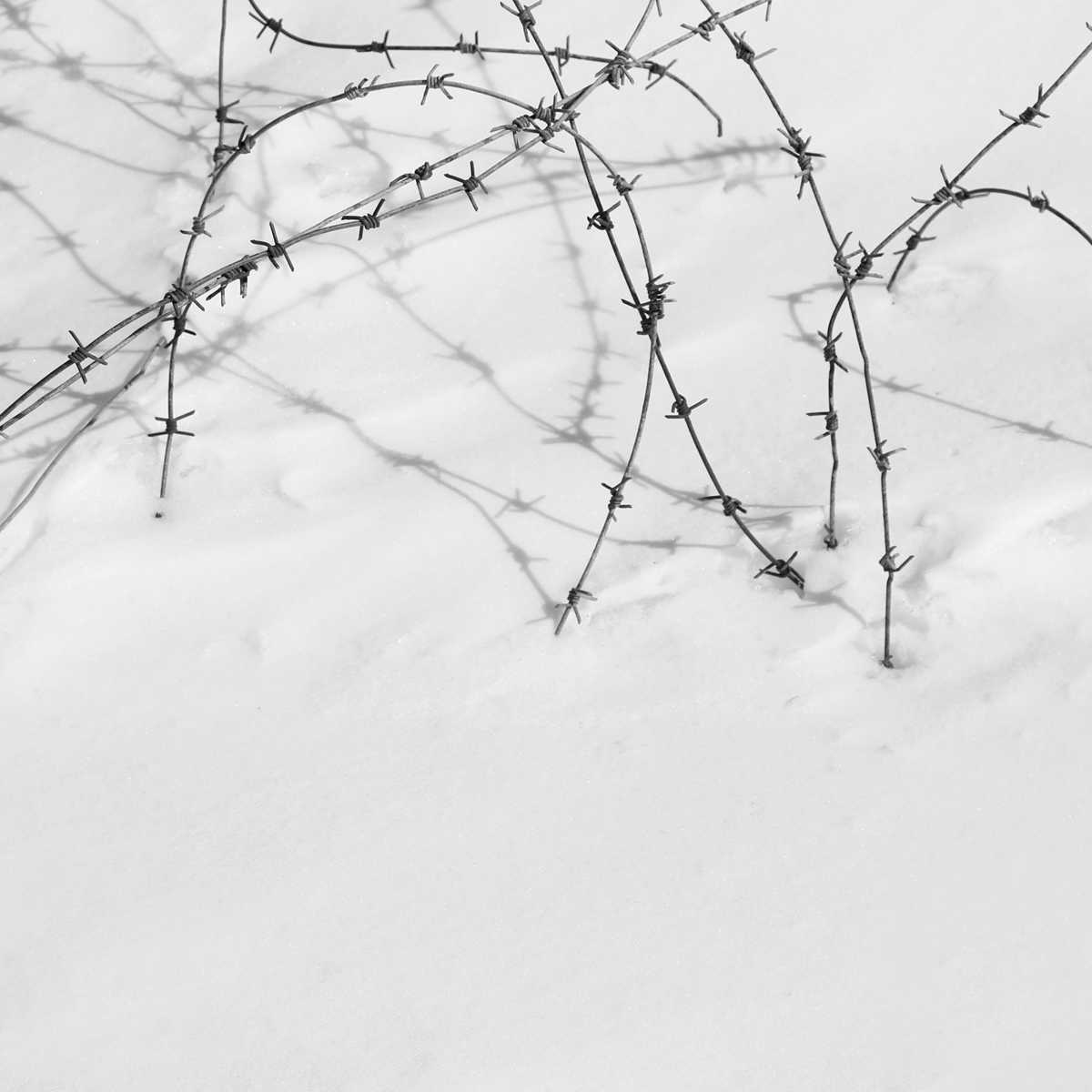
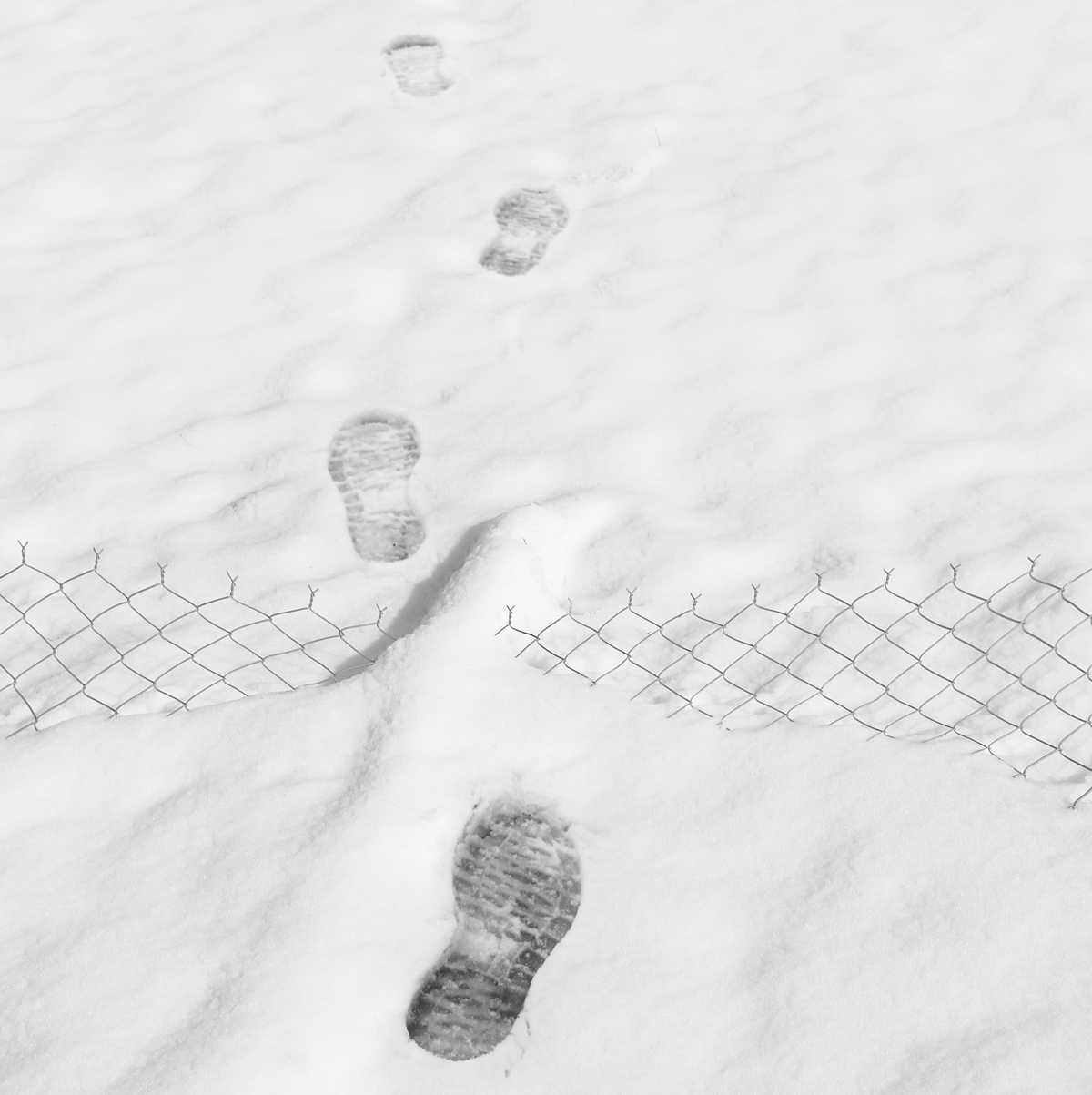
His ongoing series FREEDOM explores a subject that is both universal and deeply personal. Through black-and-white landscapes, isolated figures, open spaces, roads, barriers, and minimalist compositions, Mostafa examines the visible and invisible limitations people experience — and the possibility of continuing forward despite them.
For Top Photo Awards, we spoke with Mostafa about his photography journey, the origins of FREEDOM, the meaning of emptiness and isolation within his images, his approach to post-production, and how creating the series changed his own understanding of freedom.
1. Tell us a little about your background and your photography journey.
My name is Mostafa Nodeh, and I am a minimalist photographer from Gilan, in northern Iran.
I was born in a small village in Gilan, near the northern coast of Iran, into a simple working-class family. My father worked in a coal mine. Later, because of work and the need to make a living, I moved to the city.
My journey in photography has not been easy. I have always faced financial difficulties, and I have had to work to support myself while continuing with photography. I also worked in a factory.
Even buying a good camera was very difficult for me. I worked and saved money for almost ten years before I could finally buy one. For me, that camera is not just a piece of equipment. It represents many years of work, patience, and sacrifice.
I continued photography because I truly love it. Photography is one of the most important things in my life. It allows me to express feelings and ideas that I cannot always explain with words.
Over the years, my photographs have been shown in exhibitions, competitions, magazines, and photography projects in Iran and internationally.
I still hope that one day someone will see the value in my photographs and buy my work at a good and fair price. It would mean much more to me than simply selling a photograph. It could give me a chance to breathe a little, continue my work, and spend more time creating photography.
I hope that perhaps, by reading this interview, someone will understand my story and decide to support me and my photography.
2. How would you describe your photographic style and the main direction of your work?
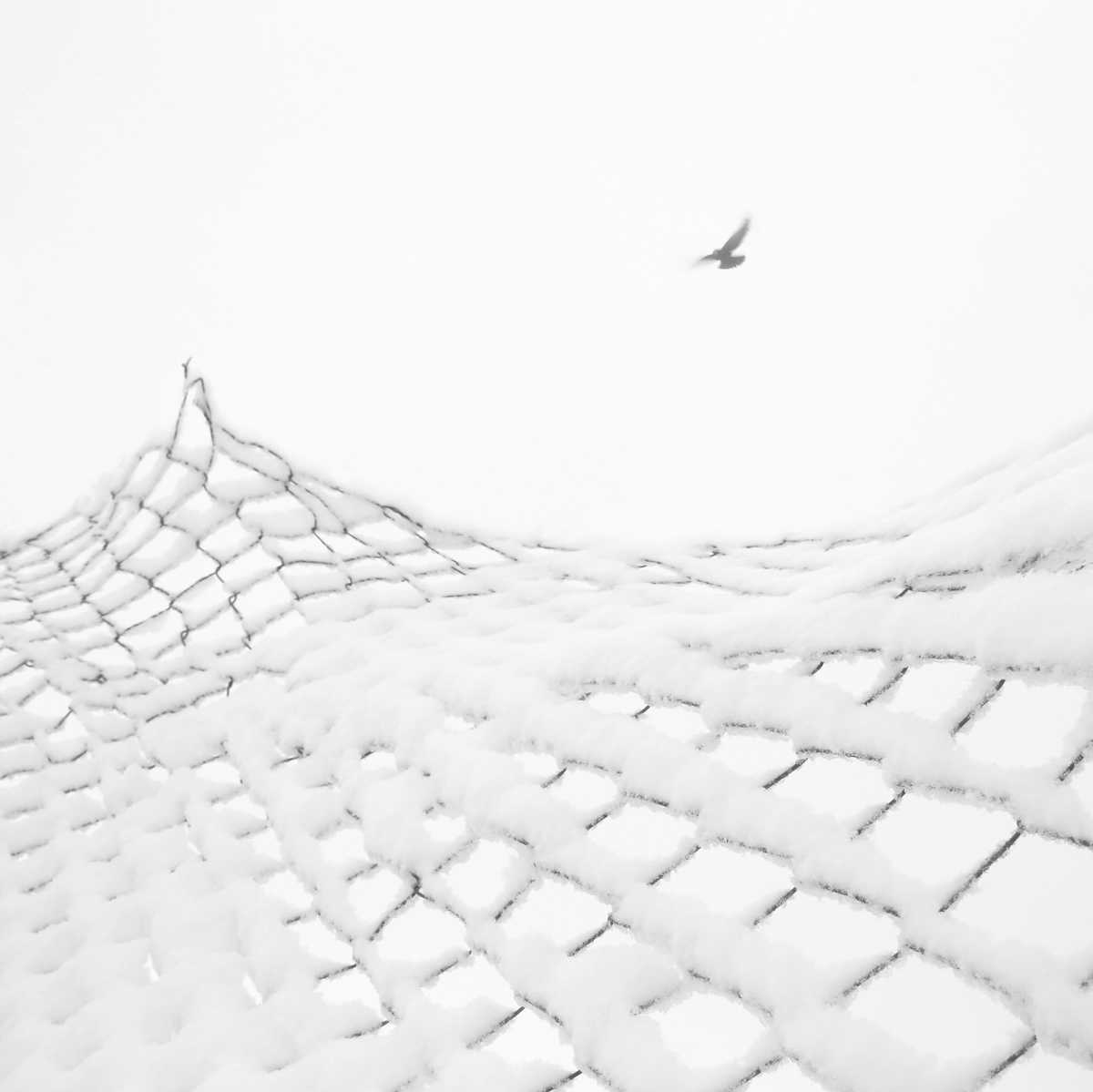
I would describe my photography as minimalist, conceptual, and mostly black and white.
I try to remove everything unnecessary from the frame and keep only the elements that are important to the idea. I am interested in silence, emptiness, isolation, nature, and the relationship between people and their surroundings.
I do not want to explain everything directly to the viewer. I prefer to create a simple image that leaves space for the viewer to think and feel.
For me, minimalism is not only about having fewer elements in a photograph. It is also about finding meaning inside simplicity.
3. How was the FREEDOM series born? Was there a particular experience, thought, or moment that inspired you to begin this project?
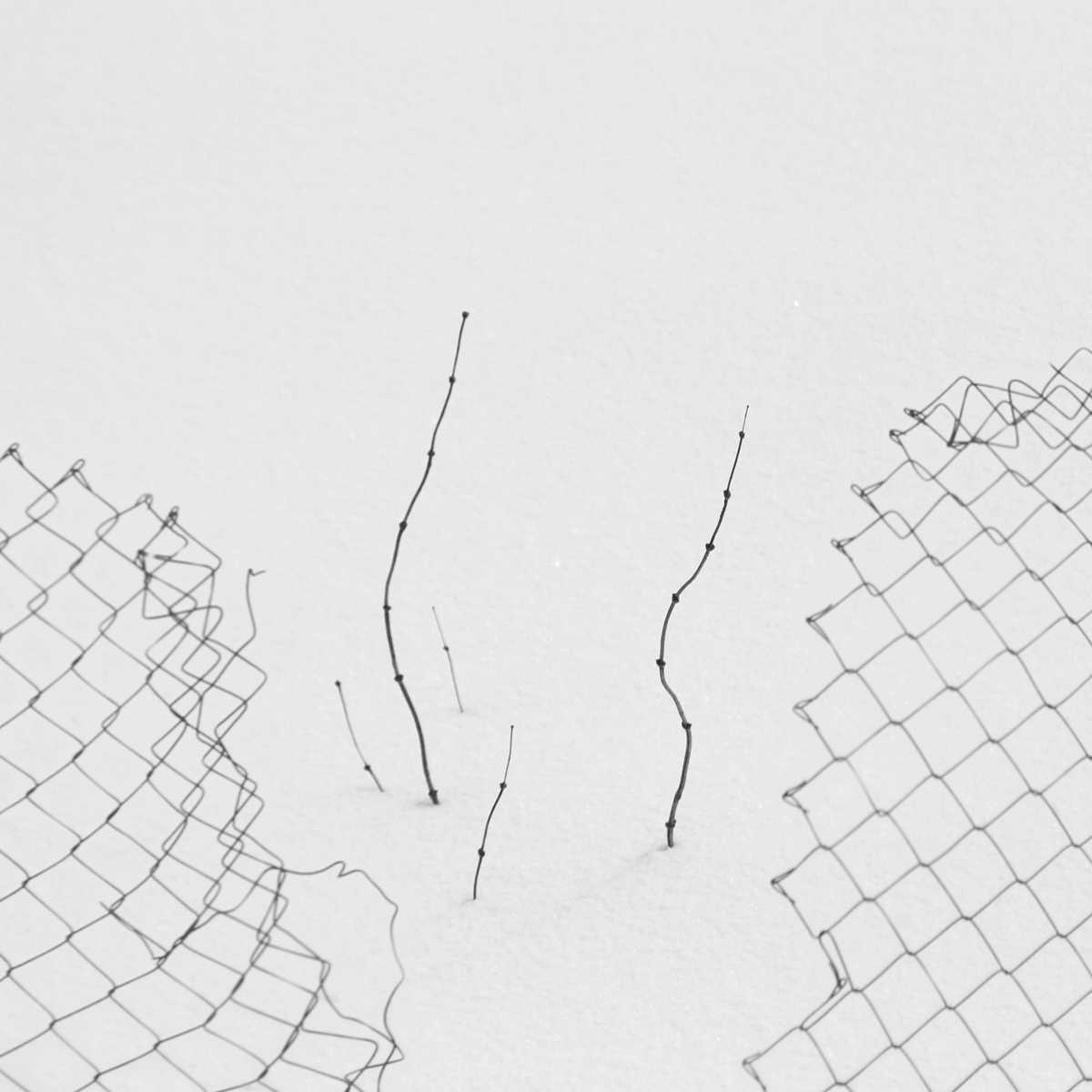
The FREEDOM series was born from my thoughts about freedom and the different forms of limitation that people experience.
For me, freedom is not only about physical freedom. A person can be physically free but still feel trapped by fear, circumstances, poverty, society, or their own thoughts.
I have experienced limitations in my own life, and this made the subject of freedom very personal to me. I wanted to express these feelings through photography without directly explaining them.
I began using empty spaces, silence, isolation, barriers, roads, and small human figures to create a visual language for the series.
FREEDOM is still an ongoing project for me because I feel that freedom does not have one simple definition. It is something I continue to think about and explore through photography.
4. You often use minimalism, empty space, isolation, and small human figures in the series. What role do these visual elements play in expressing your idea of freedom?
These elements are very important to the meaning of FREEDOM.
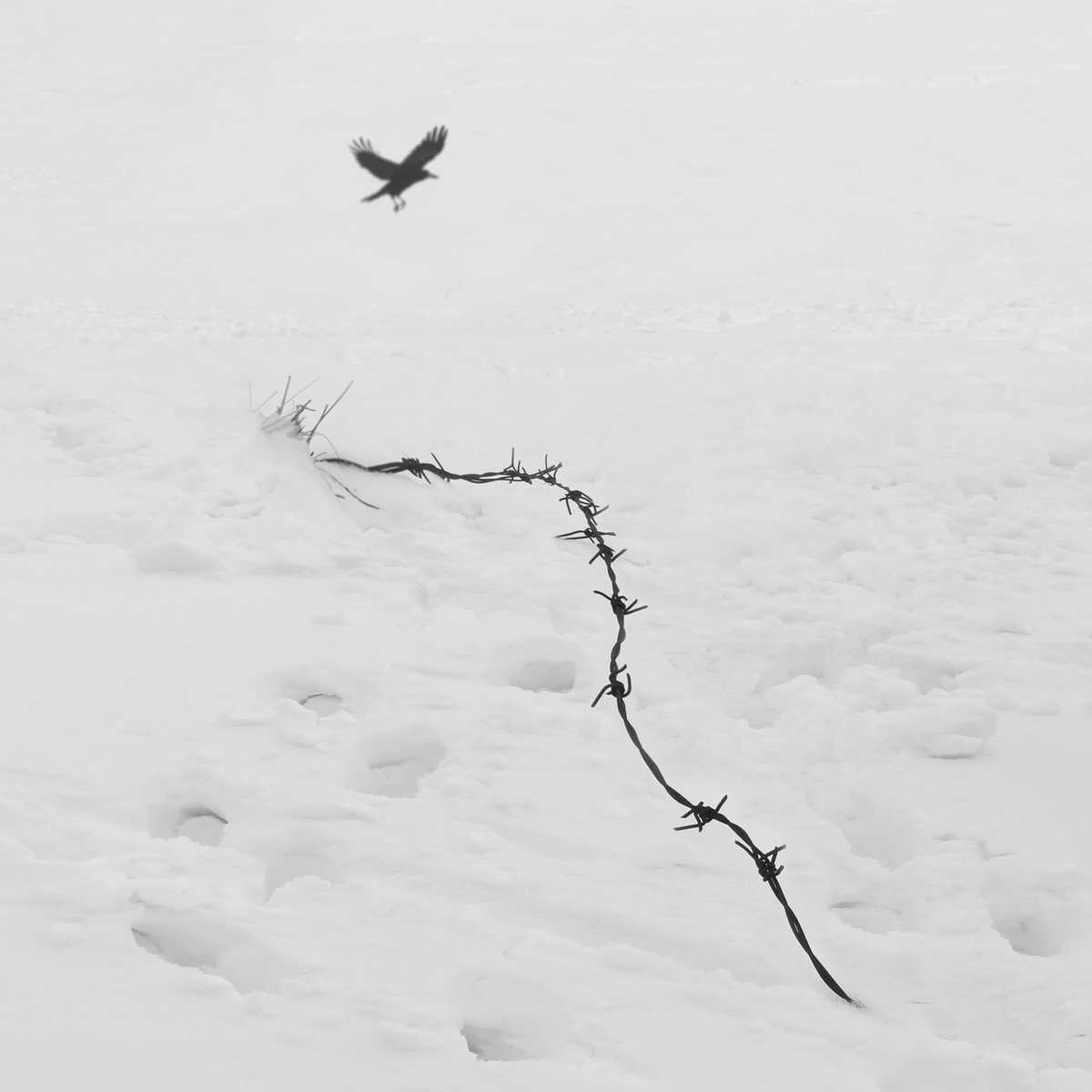
Empty space can represent silence, loneliness, uncertainty, or possibility. Isolation can show how small and vulnerable a person can feel in the world.
The small human figures are also important because I do not want the person to dominate the photograph. I want the environment and the space around them to become part of the story.
Barriers and restrictions can represent the things that stop us, while roads and open spaces can suggest movement and the possibility of choosing a direction.
I use minimalism because it allows me to say more with less. I want the viewer to enter the empty space of the photograph and create their own interpretation of freedom.
5. Is there a particular photograph from FREEDOM that has especially personal meaning to you? Please tell us the story and idea behind it.
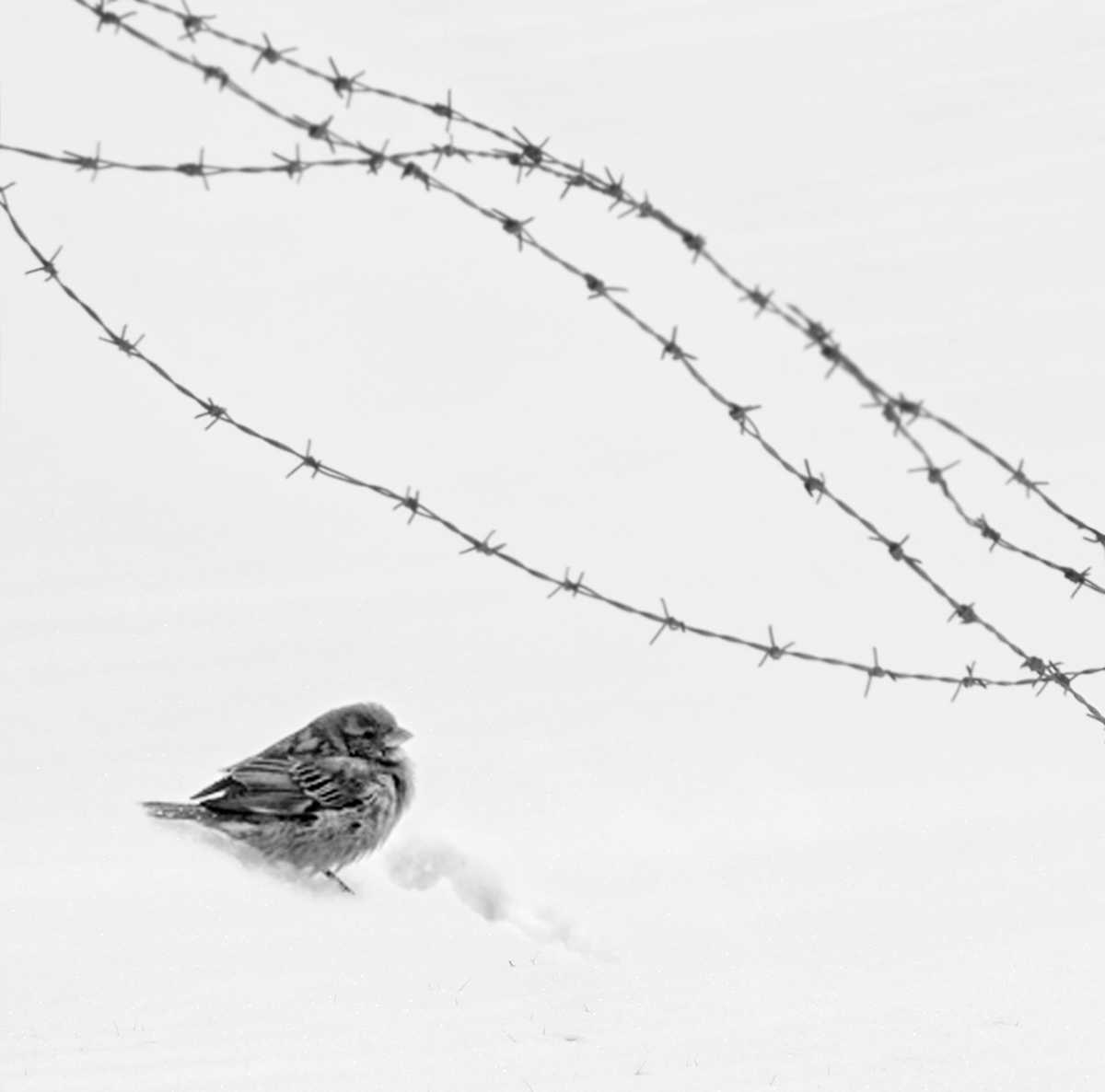
There are several photographs in FREEDOM that are personally meaningful to me, and I do not think I can separate the meaning of the project into only one image.
Each photograph represents a different feeling or thought about freedom, limitation, isolation, or moving forward.
The meaning of the series is also connected to my own life and experiences. That is why the photographs are personal to me, even when the scene itself may look very simple.
I prefer the viewer to experience the photographs first and then create their own connection with them, rather than giving one fixed explanation for every image.
6. How much of what we see in the final photographs existed in the original scene, and how much is created during post-production? What does your editing process usually involve?
Most of what you see in my photographs begins in the original scene.
I pay a lot of attention to composition, light, space, perspective, and the relationship between the elements before I take the photograph. I want the main idea to exist in the photograph from the beginning.
In post-production, I mainly refine what was already there. I work with tones, contrast, light, and sometimes remove small distractions that are not important to the image.
I do not want editing to replace the original idea or turn the photograph into something artificial. For me, the photograph should remain natural and honest.
The simplicity of my photographs comes mainly from observation and composition, not from heavy editing.
7. You mentioned that creating this series changed your own understanding of freedom. What does “freedom” mean to you today, and what would you like viewers to take away from this project?
Today, freedom means more to me than simply being free from restrictions.
Freedom can also mean having the courage to choose a direction, to continue despite difficulties, and to remain yourself when life is not easy.
Creating FREEDOM changed the way I understand this idea. I realized that sometimes freedom is not a final destination. Sometimes it is simply the courage to take the next step.
I do not want to give the viewer one definition of freedom. I want each person to look at the photographs and think about what freedom means in their own life.
If someone finishes looking at the series and starts thinking about their own limitations, dreams, choices, or the courage to move forward, then I feel the project has communicated something meaningful.
“Freedom is not always a destination; sometimes it is simply the courage to take the next step.”
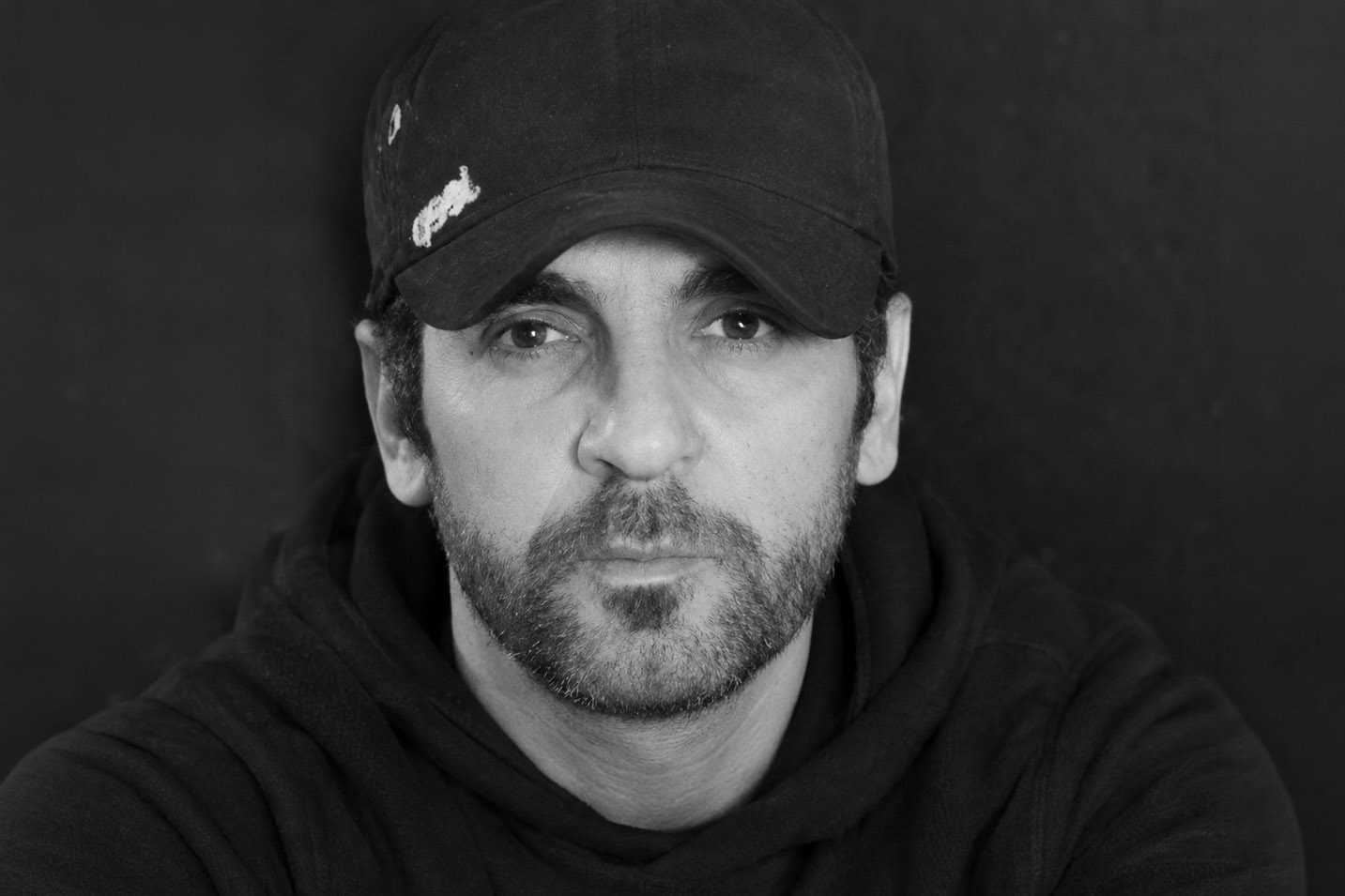
Discover More of Mostafa Nodeh's Work
Explore more of Mostafa Nodeh's minimalist photography, conceptual projects, and the continuing FREEDOM series through his official website and social media.
Profile: Mostafa Nodeh
Instagram: @Nodehphoto
All photographs featured in this interview © Mostafa Nodeh. Interview for Top Photo Awards.