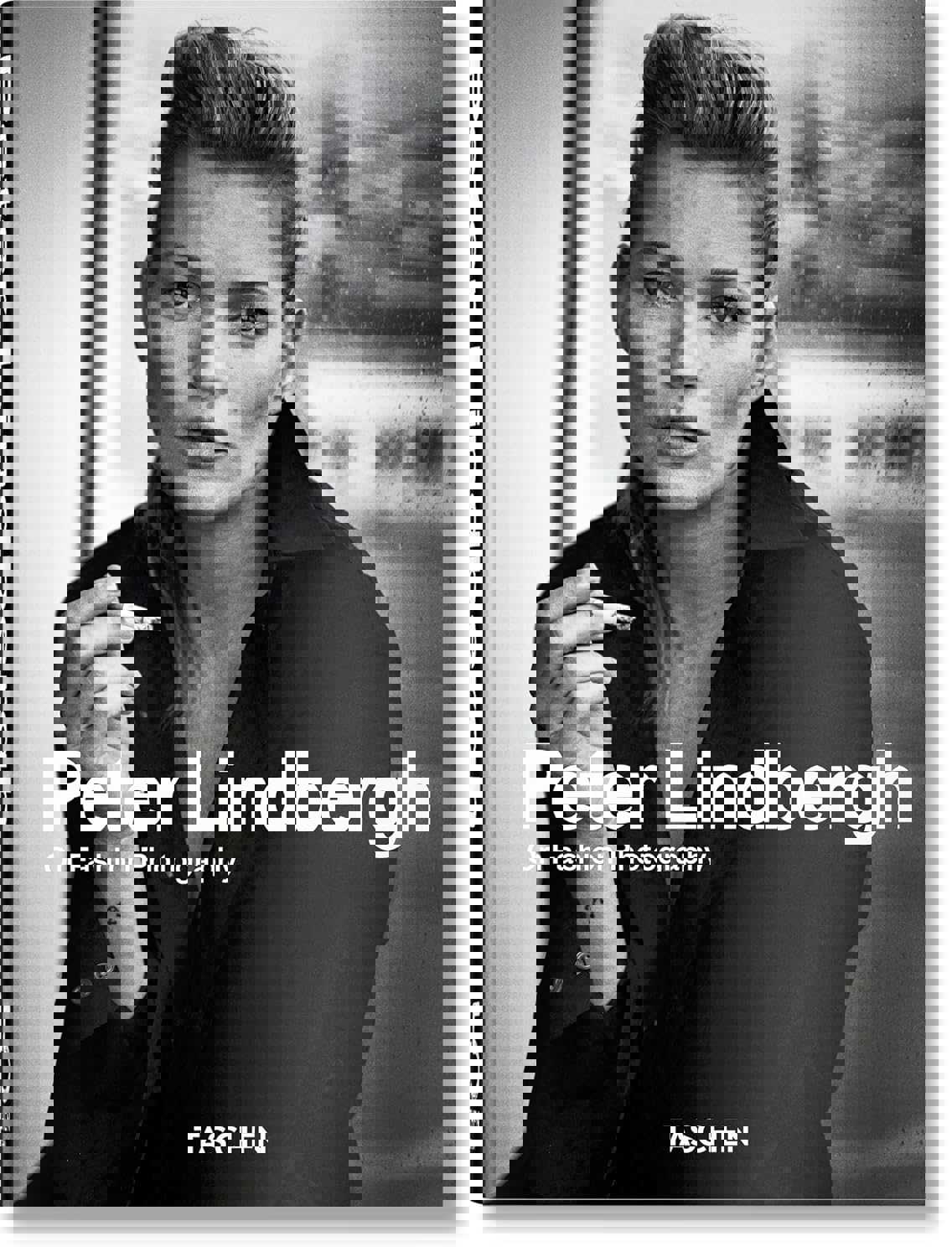

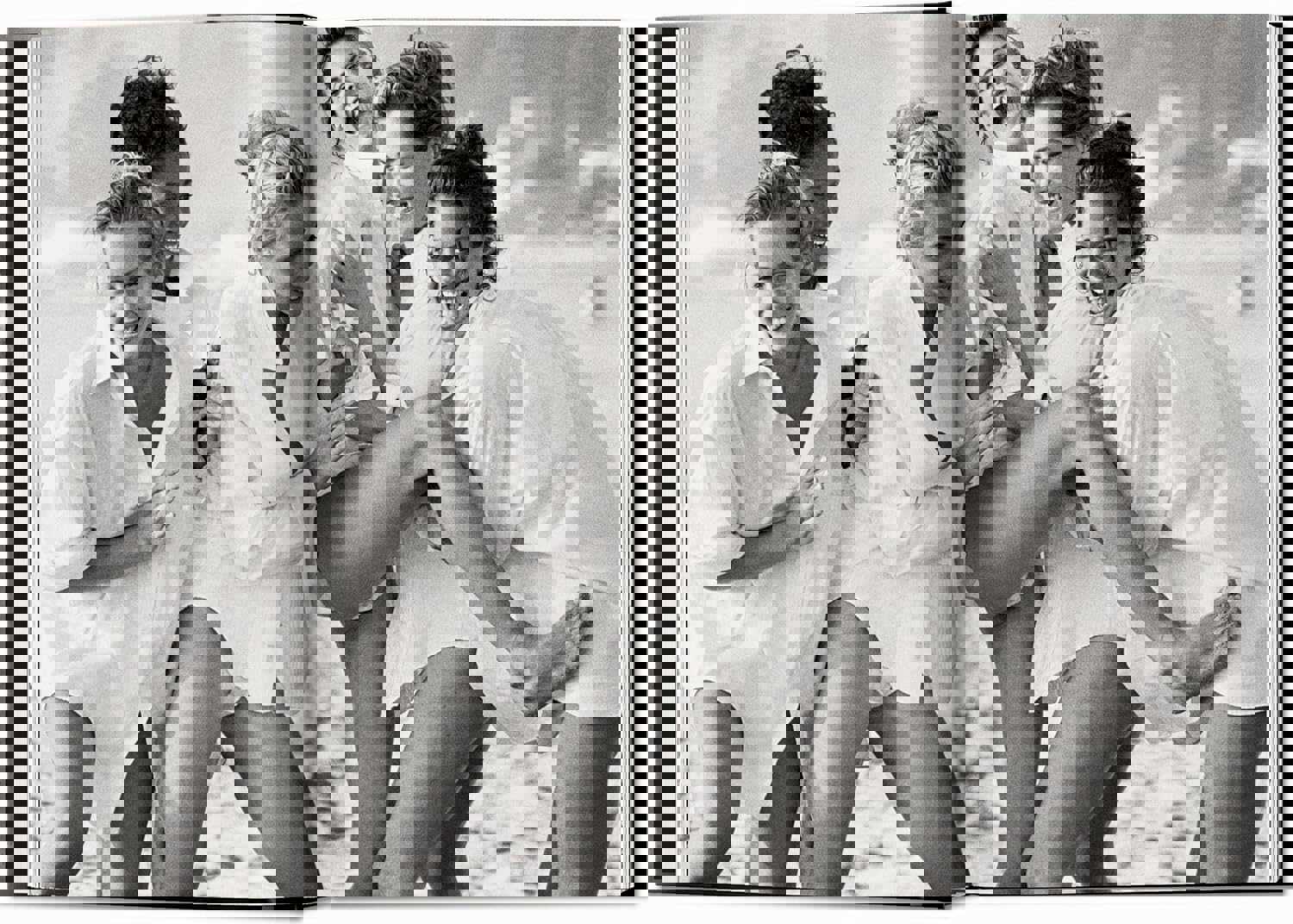
It was on a windswept Malibu beach in 1988 that Peter Lindbergh created his now-legendary White Shirts series—photographs so deceptively simple, yet profoundly influential, that they would echo across fashion history. In front of his lens stood a group of young women who would soon become icons: Linda Evangelista, Christy Turlington, Rachel Williams, Karen Alexander, Tatjana Patitz, and Estelle Lefébure. Those images did more than introduce a new generation of models; they signaled the dawn of an era that reimagined beauty itself. From that moment on, Lindbergh began reshaping the visual language of fashion, altering its course for decades to come.
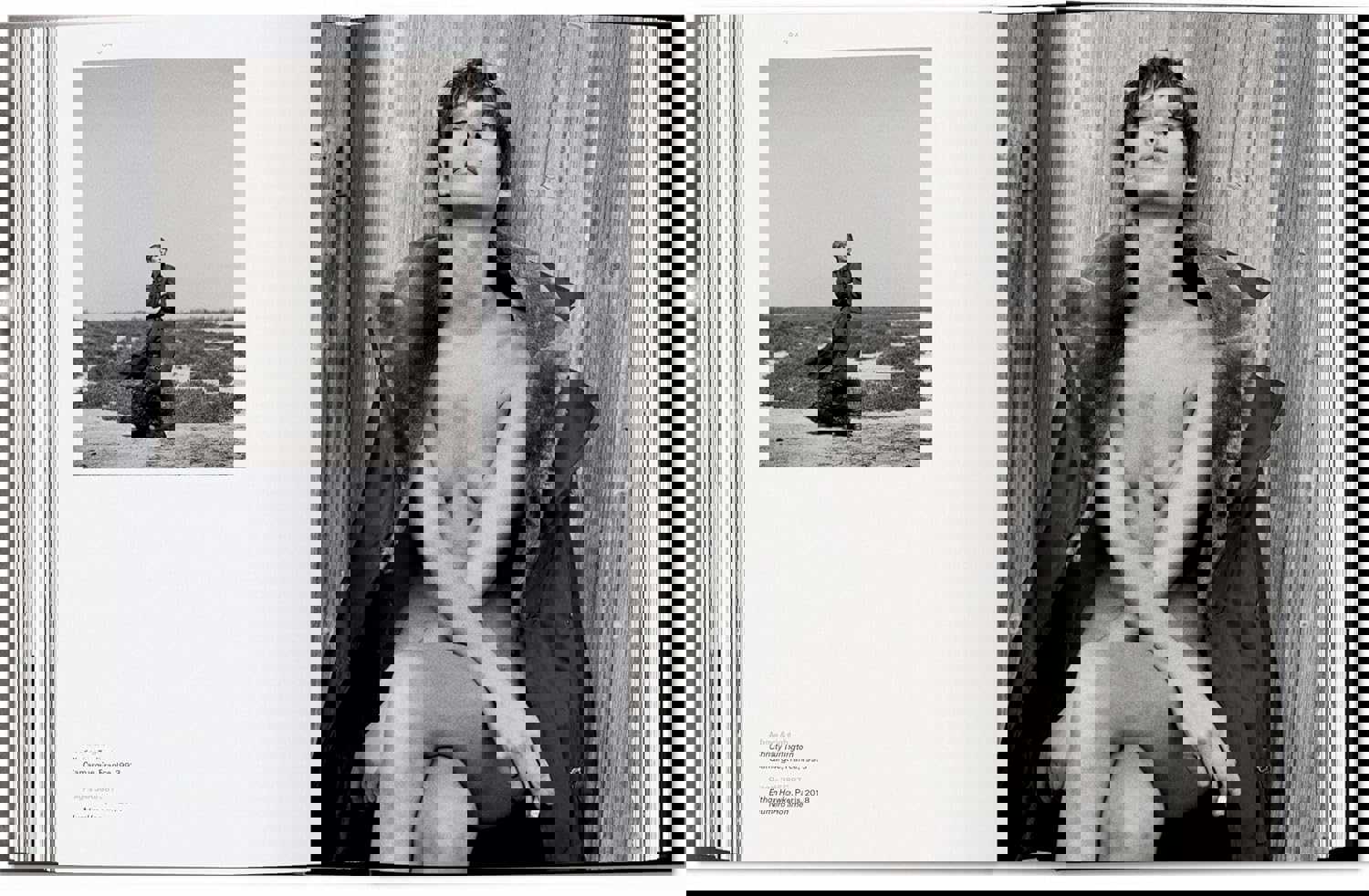
Peter Lindbergh was not merely a photographer; he was a storyteller whose images felt like whispered confessions. Born in 1944 in Lissa, a region shaped by shifting borders and post-war silence, his childhood was marked less by glamour and more by observation. He watched people—how they moved, how they revealed themselves when they thought no one was looking. These early impressions, quiet and unspoken, would one day surface in his photography as an extraordinary ability to see beyond the surface of a face.
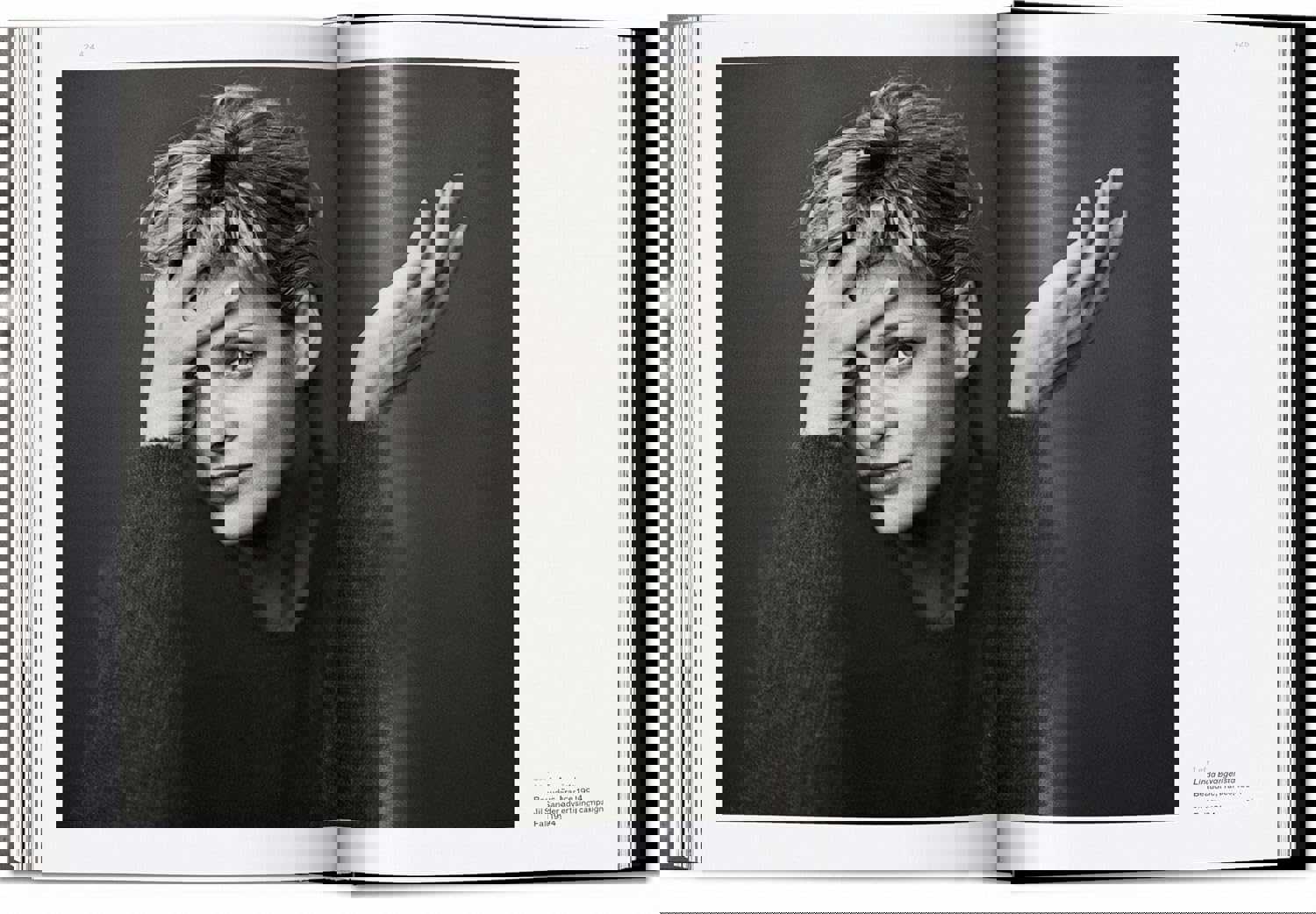
Before he ever held a camera, Lindbergh was a dreamer and a wanderer. He studied art, worked as a window dresser, traveled across Europe, lived in communes, and immersed himself in painting and cinema. He admired artists who embraced imperfection and emotional truth—Van Gogh, Dix, and the German Expressionists whose shadows and raw emotions seemed to breathe right off the canvas. Photography arrived late in his life, but when it did, it became the vessel through which he translated everything he had absorbed as a painter: texture, character, truth.
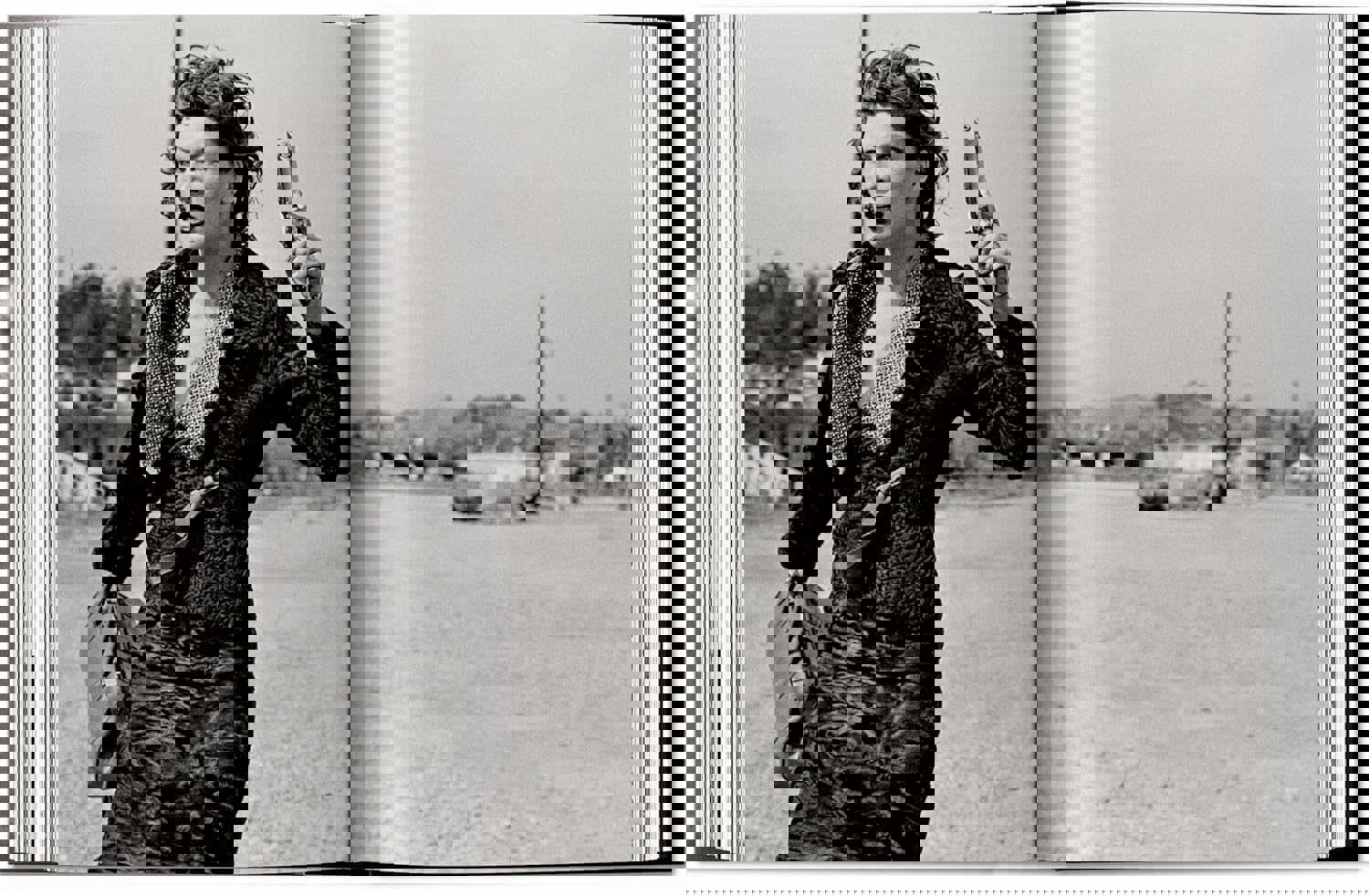
When Lindbergh moved to Paris in the late 1970s, the world of fashion photography shimmered with polish and extravagance. Colors were saturated, makeup was sculptural, glamour was the rule. Lindbergh disrupted all of it with a quiet confidence. His photographs were stripped down, almost ascetic. He photographed women with minimal makeup, natural hair, soft clothing, and human warmth. He shot in warehouses, on deserted beaches, in industrial shipyards—places where the wind, the light, and the atmosphere added their own voice to the image. What he captured was not glamour, but spirit.
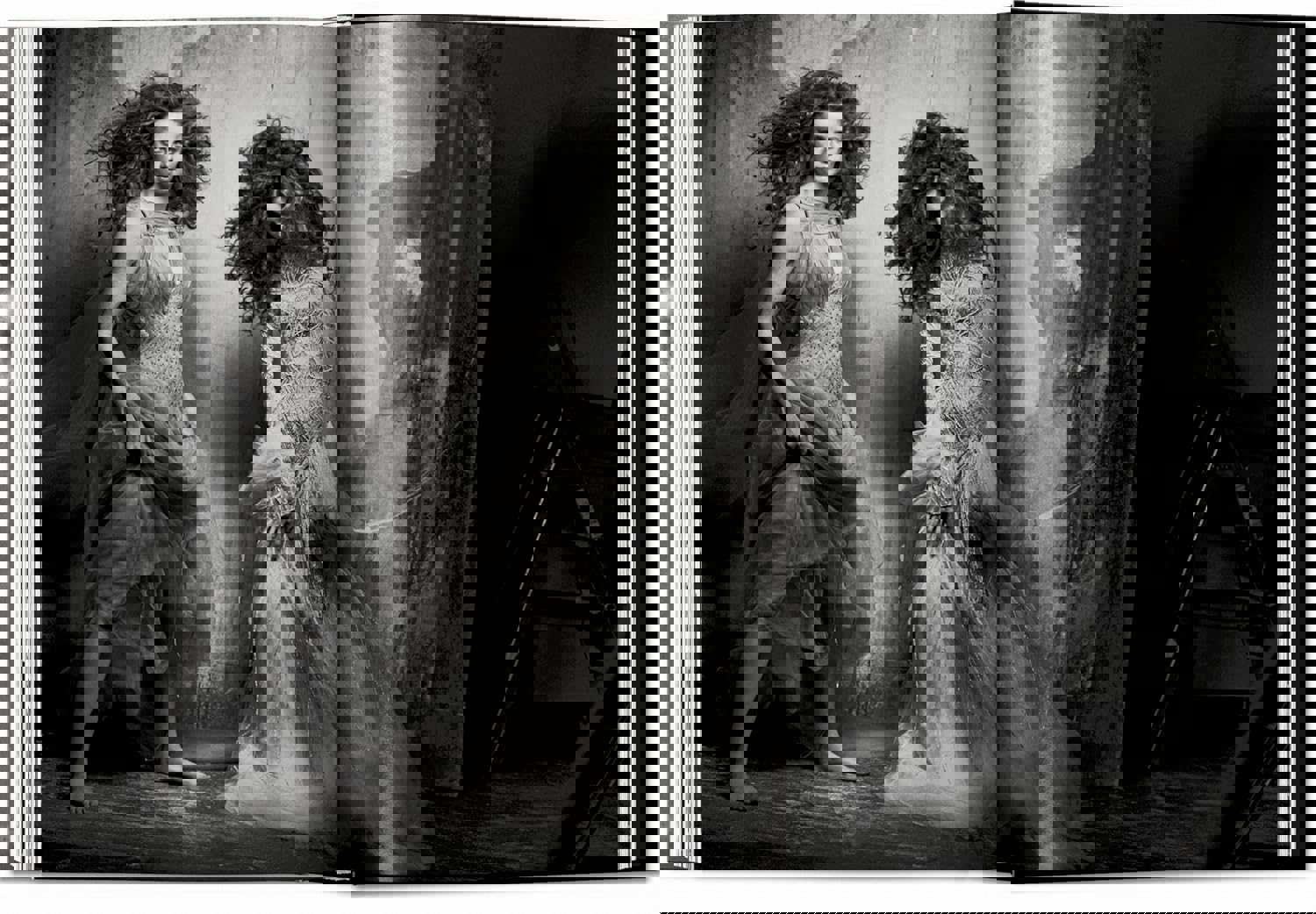
By the time the White Shirts series reached the world, Lindbergh had already begun rewriting the rules, but the impact of those photographs crystallized his influence. They were the prelude to the era-defining British Vogue cover of January 1990, where Cindy Crawford, Naomi Campbell, Linda Evangelista, Christy Turlington, and Tatjana Patitz stood together as if united by a shared destiny. That cover did not simply launch the supermodel era—it revealed it. Lindbergh recognized their individuality before the world had a name for it.
What made Lindbergh unique was not just his imagery but the philosophy behind it. He rejected artificial perfection, choosing instead to celebrate emotional honesty. He believed that a woman’s face told a story—one that should not be erased, softened, or replaced by idealized glamour. Wrinkles, vulnerability, strength, hesitations—he saw these not as imperfections but as truths. And truth, for him, was the most beautiful thing a camera could reveal.
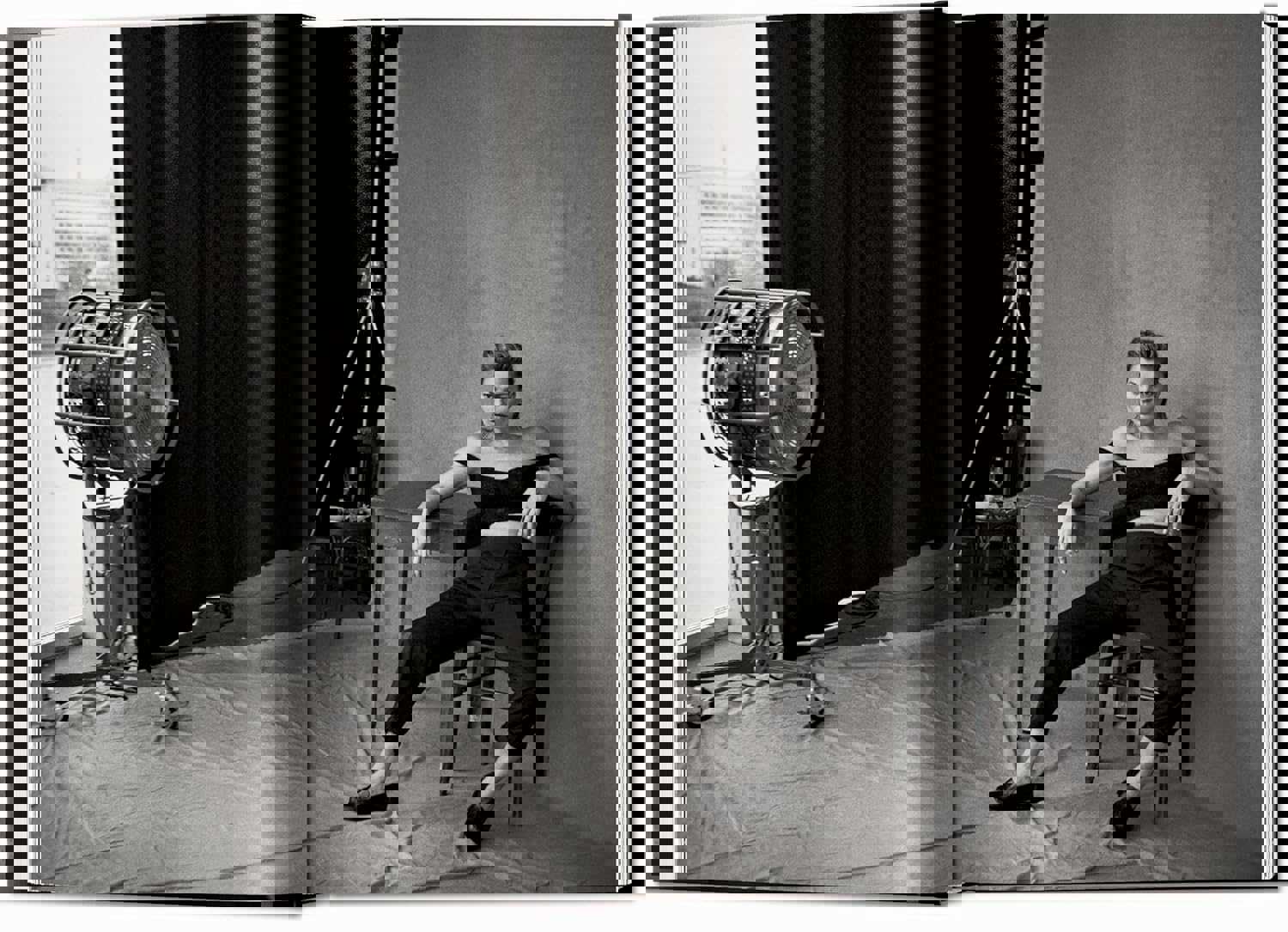
His dedication to black-and-white photography was an extension of that belief. Color, he often felt, could distract from what mattered. Black-and-white stripped a portrait down to its essentials: emotion, presence, humanity. His images carried a cinematic stillness, as though they were frames from a film paused at the precise moment a character reveals something real. Even his fashion editorials felt like stories—you didn’t just see the photograph; you sensed what might have happened before and what might unfold after.
Throughout his career, Lindbergh formed profound creative relationships with the women he photographed. They were not subjects to him, but collaborators and muses. Tatjana Patitz, with her quiet intensity; Naomi Campbell, powerful and self-possessed; Kate Moss, with her enigmatic fragility; Milla Jovovich, luminous and instinctive. He drew out sides of them that others rarely saw. His connection with these women was built on trust, and that trust is visible in every image.
Even as digital photography and heavy retouching took over the industry, Lindbergh remained steadfast in his pursuit of authenticity. He shot on film. He used natural light. He refused to erase a wrinkle or reshape a face, famously criticizing the fashion world for promoting impossible standards. When he photographed the Pirelli Calendar in 2017—featuring actresses makeup-free and unretouched—the world declared it revolutionary. For Lindbergh, it was simply the continuation of everything he believed.
His exhibitions, from A Different Vision on Fashion Photography to Untold Stories, drew massive crowds around the world. People came not only to see fashion but to witness characters, emotions, and moments suspended in time. His photographs illuminated something inside the viewer—a reminder of what it means to be human in an industry so often built on illusion.
Peter Lindbergh passed away in 2019, but his influence continues to ripple through contemporary photography. Today, when photographers seek authenticity, when brands celebrate natural beauty, when black-and-white portraits return to the spotlight, you can feel Lindbergh’s hand guiding the aesthetic. His legacy is not only visual but philosophical: that beauty lies in presence, honesty, and the depth of a person’s inner world.
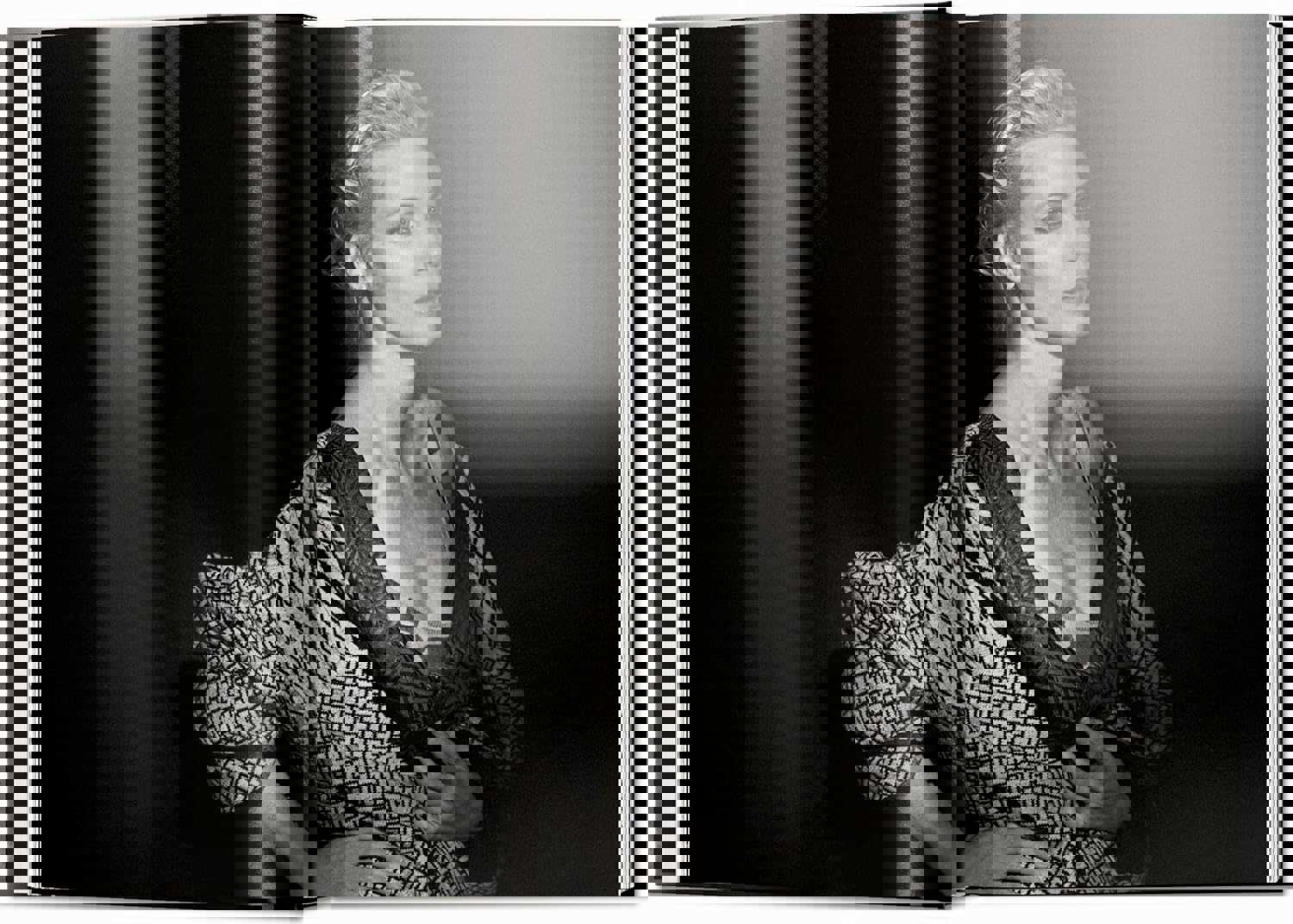
To understand Peter Lindbergh is to understand that a photograph is not merely an image—it is a relationship. It is the quiet exchange between two human beings, captured in a fraction of a second yet echoing for decades. He devoted his life to revealing truth in a world obsessed with the artificial, and in doing so, he became one of the most important visual storytellers of our time.
If you want to explore more of his legacy, immerse yourself in his vision, or simply hold a piece of photographic history in your hands, a beautifully curated book of his work is the perfect place to begin. It also makes an exceptional, thoughtful gift for any photographer or art lover. One of the finest editions available is the Lindbergh — Photography. Anniversary Edition, which offers a profound look into his world and creative spirit. You can find it here: