

In just a few years, drone photography has transformed from a niche experiment into one of the most exciting ways to see the world. Small, lightweight drones now let photographers capture cities, coastlines, mountains, and even busy streets from a completely new perspective. Instead of shooting from eye level, you can hover above the scene, frame graphic shapes, reveal patterns, and tell visual stories that were once possible only with helicopters or tall rooftops. For travel, landscape, and street photographers, drones have unlocked a fresh visual language and a powerful way to stand out in a crowded market.

Small Travel Drones: Big Creative Freedom
The biggest revolution came with small travel drones under 250g. These ultra-compact drones fit in a small shoulder bag, weigh less than many camera lenses, and are easy to pack on any trip. In many countries, this weight category is treated more gently by local regulations, often with simplified rules or no formal registration for hobby use. That means you can travel light, explore freely, and still capture 4K aerial footage, high-resolution stills, and cinematic cityscapes. For photographers who already carry cameras, lenses, and a laptop, a tiny drone is the easiest way to expand their creative toolkit without adding heavy gear.

New Angles for Storytelling and Street Scenes
Drones don’t just fly higher—they completely change how we compose a photograph. From above, everyday subjects like crosswalks, markets, skateparks, or seashores turn into striking patterns and graphic compositions. You can follow leading lines of highways, frame tiny human figures in huge open spaces, or capture the rhythm of city life from a bird’s-eye view. This aerial storytelling blends elements of street, landscape, and architectural photography into one genre. For social media, photo contests, and editorial projects, a strong drone shot instantly grabs attention in a feed filled with eye-level images.
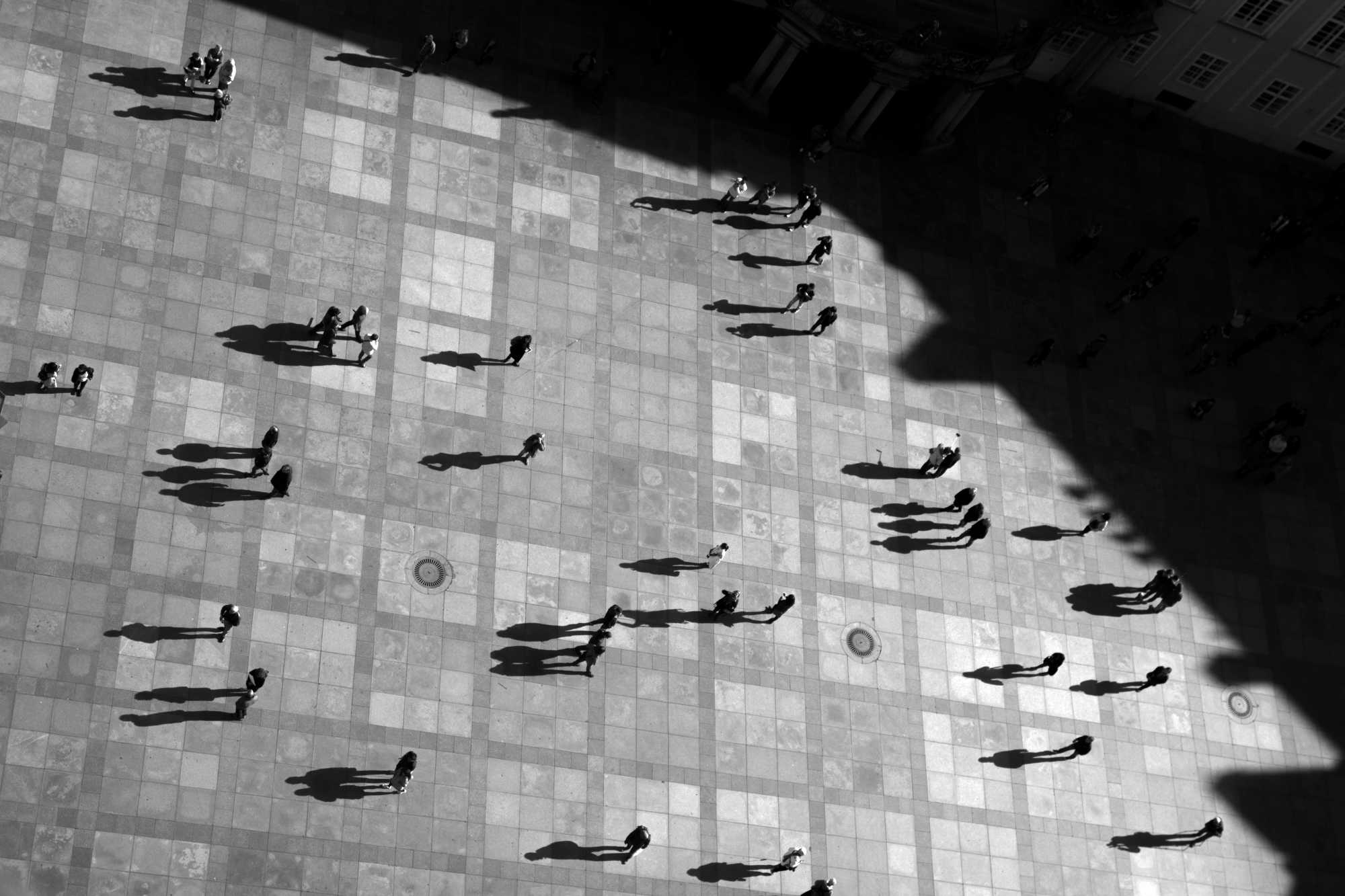
Drone-Friendly Countries That Welcome Aerial Creators
Many destinations around the world are more than welcoming toward responsible drone pilots. Countries like the United States, Canada, Australia, New Zealand, Japan, South Korea, and much of the European Union (including Spain, Italy, Germany, France, Portugal, and others) allow recreational drone flights when you follow local rules. In these places, small drones are often easier to operate legally, sometimes with lighter registration or licensing requirements—especially when they weigh under 250g. These “drone-friendly” countries are perfect for building a portfolio of travel drone photography, from dramatic coastlines to historic city centers and colorful street life.
Regulations still vary, so it’s important to read each country’s aviation authority guidelines, respect no-fly zones, and always fly with safety, privacy, and local culture in mind. But overall, these destinations give photographers plenty of freedom to explore creative aerial angles and to capture unique content for social media, prints, and commercial licensing.
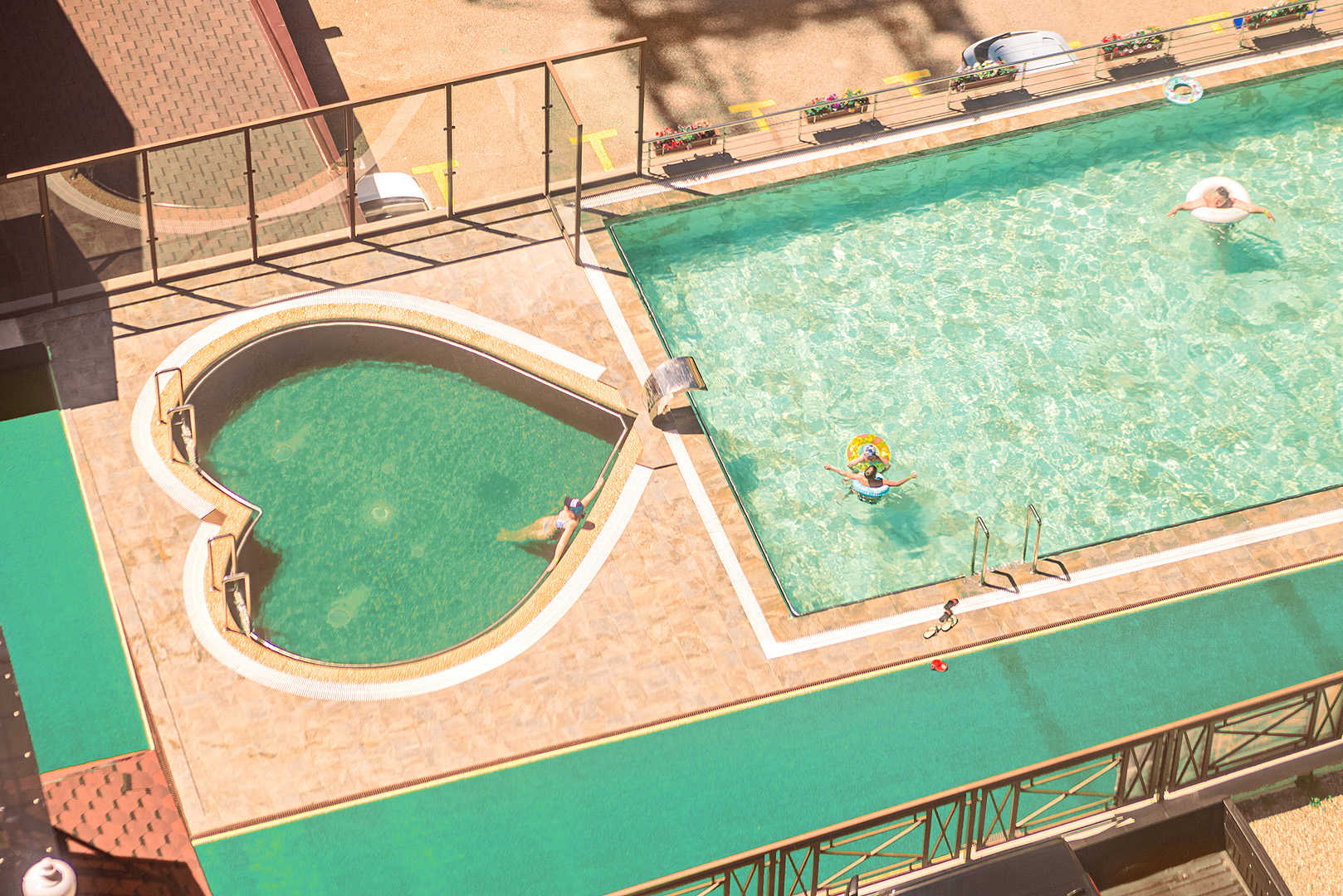
Countries Where Drones Are Restricted or Prohibited
At the same time, you should know that some countries strictly control or completely ban drones. In several destinations, bringing a drone in your luggage can lead to confiscation at customs or require complex permits that are almost impossible for tourists to obtain. Examples often mentioned by travelers include Algeria, Bhutan, Brunei, Cuba, Madagascar, and North Korea, as well as some countries in North Africa and the Middle East where drones are treated as sensitive equipment, such as Kuwait, Iran, Syria, Tunisia, and Venezuela.
Laws change regularly, so before you pack your drone, always double-check the official aviation or tourism websites for your destination. A quick search for “drone rules + country name” can save you from losing your gear at the airport. When in doubt, consider leaving the drone at home or contacting the local embassy for clarity. Being informed and respectful of local restrictions keeps you safe and protects the reputation of drone photographers everywhere.

Planning Your Next Drone Adventure
When you combine a small drone with smart planning, you open up a world of creative opportunities. Research your destination, mark potential locations on a map, and check sunrise and sunset times for the best light. Think about how your aerial shots can complement your ground-level photography: a street scene from eye level, followed by a top-down drone photo, tells a richer story than either one alone. For working photographers, this mix of perspectives is incredibly valuable for clients, editorials, and photo contests.
As drone technology continues to improve—better sensors, longer flight times, smarter obstacle avoidance—these flying cameras will only become more powerful tools for visual storytelling. Whether you’re entering international contests, building a portfolio for brands, or simply capturing memories from your travels, drone photography lets you see familiar places in a completely new way. The horizon is no longer just in front of you; it’s above you.
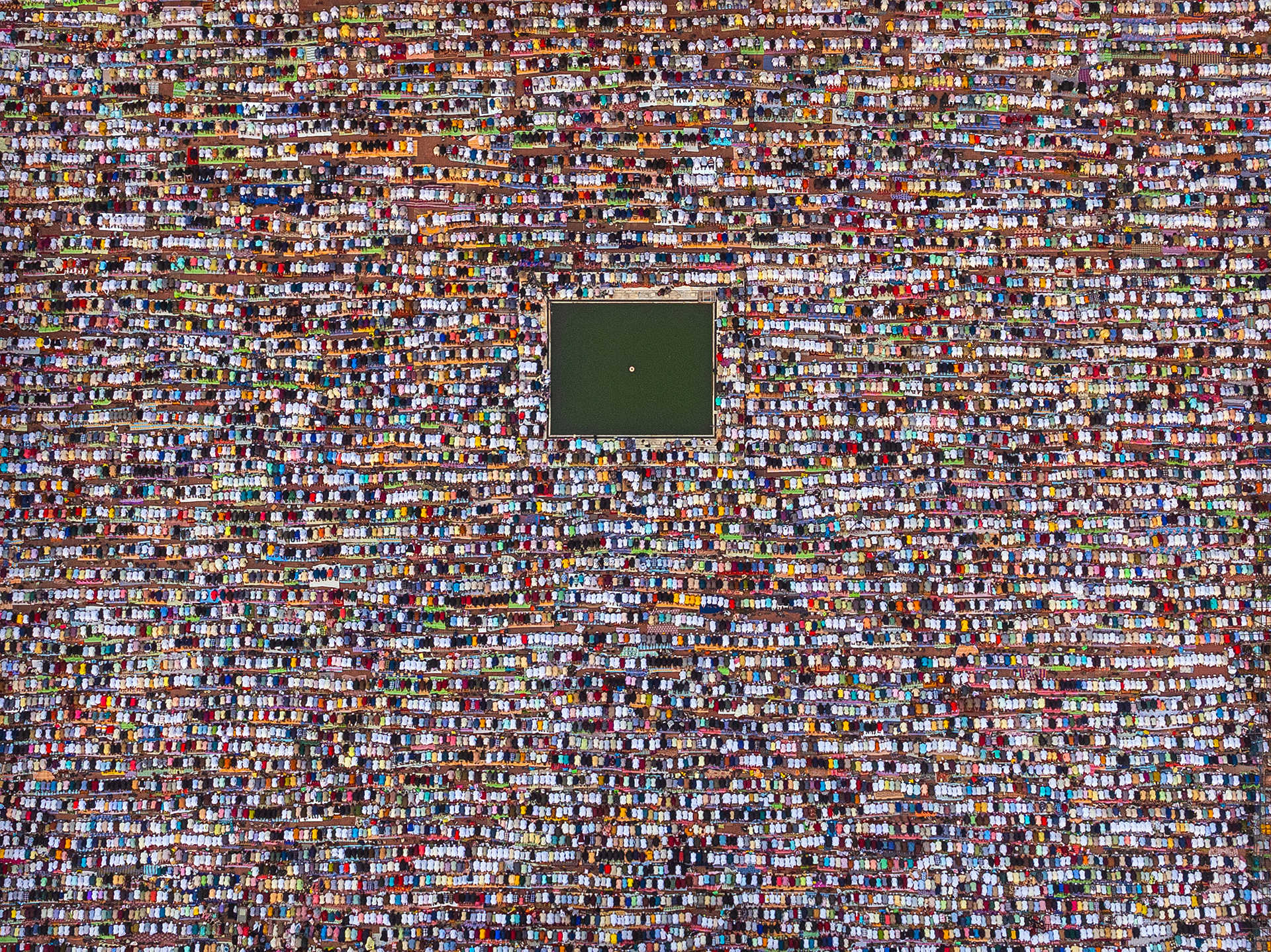
Drone Travel Map: Countries That Are Friendly, Complicated, or Risky
Before you book flights with your drone in the bag, it helps to know where flying is easy, where paperwork is involved, and where your drone might be taken away at customs. Below is a quick, color-coded overview: a dot next to each country shows if drones are generally allowed, tightly restricted, or practically banned. Always double-check the latest local rules before you travel, as regulations can change.
1. Countries Where Drones Are Generally Allowed
These destinations are considered drone-friendly. Basic safety rules apply everywhere, and registration may be required depending on drone weight and purpose, but hobby and travel flying is usually possible if you follow local regulations.
| Country | Notes / Requirements |
|---|---|
| United States | Allowed; registration required for drones over 250g; follow FAA rules, remote ID requirements, and LAANC airspace authorizations near airports. |
| Canada | Allowed; drones 250g–25kg require a pilot certificate and registration; sub-250g category is simpler but still subject to safety rules. |
| European Union (All EU States) | Common EU regulations; the <250g “open A1” category is simplest; local no-fly zones and city restrictions still apply. |
| United Kingdom | Allowed; registration for drones over 250g or with a camera depending on category; strict rules around airports and dense urban areas. |
| Australia | Recreational flying permitted; no registration for many sub-250g drones; follow CASA rules on distance from people and controlled airspace. |
| New Zealand | Allowed; follow CAA rules; permissions often required for some national parks and private land; respect local council bylaws. |
| Japan | Allowed; no registration for drones under 100g; strict no-fly zones over cities, airports, and crowded areas; night flying regulated. |
| South Korea | Allowed; registration required over 250g; maintain distance from people, buildings, and restricted airspace around Seoul and airports. |
| Thailand | Allowed with registration and insurance; even sub-250g drones often need paperwork; enforcement can be strict in tourist areas. |
| Brazil | Allowed; ANAC rules apply; sub-250g drones are the easiest to fly; check local city and park restrictions. |
| Indonesia | Allowed; certain tourist zones and temples are restricted; sub-250g drones are simpler for travelers; respect local privacy and customs. |
| Mexico | Allowed; sub-250g drones currently have fewer formal requirements; airport zones and archeological sites may be off-limits without permits. |
| Turkey | Allowed; registration required; easier for sub-500g drones; some historical and military areas are strictly off-limits. |
| South Africa | Allowed; recreational flying permitted; avoid dense urban areas, national parks without permission, and restricted airspace. |
2. Countries With Restrictions or Complicated Rules
In these countries, drones are not completely banned, but permits, registrations, or special approvals make things more complicated—especially for foreign visitors. Enforcement can be strict, so always get written confirmation before planning serious aerial shoots.
| Country | Notes / Restrictions |
|---|---|
| Morocco | Importing drones is heavily restricted; special permits required in advance; without approval, customs often confiscate drones. |
| UAE (Dubai / Abu Dhabi) | Import is usually allowed, but flying requires registration and often a local license; strict rules around tourist areas and city centers. |
| Qatar | Flying requires government permission; approvals can be difficult for tourists; many public areas are sensitive or restricted. |
| Saudi Arabia | Registration and import approval needed; very strict no-fly rules near cities, religious sites, and government buildings. |
| Oman | Difficult for tourists; permits rarely granted; drones may be held at customs without proper documentation. |
| Jordan | Strict control; permits required; flying in major tourist sites (like Petra) is often completely banned for private pilots. |
| Egypt | Drones require hard-to-obtain permits; tourist approval is rarely granted; many travelers report drones being refused at entry. |
| India | Registration and local permit required; online systems geared toward residents; foreigners may struggle to register legally. |
| Vietnam | Permission required from the Ministry of Defense for many flights; process is complex and slow; not tourist-friendly for casual use. |
| Philippines | Registration required over certain weights; local rules vary by region; some tourist spots and resorts restrict drone usage. |
| Argentina | Regulated; some categories are hard for non-residents; check ANAC rules and local city regulations before flying. |
| Chile | Registration required; system not always easy for foreigners; commercial and urban flying tightly controlled. |
| Russia | Regulated and sensitive; registration and permits required for many categories; significant restrictions near cities, borders, and infrastructure; rules change often—always verify current regulations before travel. |
3. Countries Where Drones Are Prohibited or Usually Confiscated
In the countries below, drones are effectively not allowed for visitors. Importing a drone can lead to confiscation at customs, and permits are rarely (if ever) issued to tourists. For these destinations, it’s usually safer to leave your drone at home.
| Country | Notes / Prohibition Details |
|---|---|
| Algeria | Full drone ban; customs confiscate UAVs on arrival; no legal pathway for casual tourist flying. |
| Bhutan | Foreign drones generally not allowed; devices often taken at the border unless covered by special government permits. |
| Brunei | Civilian drones prohibited; import and use tightly controlled; confiscation at entry is common. |
| Cuba | Drones banned without government authorization; tourists frequently lose drones at customs when entering the country. |
| Kuwait | Strict ban on recreational drones; import prohibited; security forces may seize devices if discovered. |
| Kyrgyzstan | Drone import and flying banned; customs confiscate UAVs; no simple legal option for tourists. |
| Madagascar | Personal drones banned since 2015; authorities can seize equipment; avoid traveling with drones entirely. |
| North Korea | Absolutely prohibited; bringing in or using drones is not allowed under any circumstances. |
| Syria | No drones allowed due to security and conflict-related regulations; any UAV use is considered extremely sensitive. |
| Iran | Highly restricted; foreign drones frequently confiscated; considered security-sensitive equipment, especially near cities and infrastructure. |
| Tunisia | Drone import restricted; requires military approval; without it, drones are usually seized at customs. |
| Venezuela | Recreational drone use banned; permits are almost impossible for tourists; bringing a drone carries a high risk of confiscation. |
Drone photography opens extraordinary creative horizons, but it also comes with responsibility. Understanding where you can legally fly — and where you absolutely cannot — is just as important as mastering composition or light. Regulations change, enforcement varies, and a few minutes of research before traveling can save you from losing expensive equipment or facing legal trouble.
When used thoughtfully and legally, drones allow photographers to tell deeper, more powerful stories from above — revealing patterns, scale, and emotion that ground-level images simply can’t capture. With the right preparation, respect for local laws, and a mindful approach to safety and privacy, drone photography can become one of the most rewarding tools in your creative journey.
Check out the winners of the Aerial Photography Contest 2025 HERE.