

Let’s be honest right away: “Leica” and “affordable” barely belong in the same sentence — and everyone who has ever looked at Leica prices knows why. For most photographers, a Leica is not a first camera. You usually don’t start your journey with one unless you inherited it from a rich grandfather or made a very intentional decision to invest in something special. Still, despite the price tags, many street photographers eventually discover the same thing: a Leica is worth every penny.
Leica cameras are loved in street photography because they prioritize the shooting experience. They are not built to impress with endless features, but to help you see, frame, and react. Simplicity, reliability, and exceptional lenses are what make Leica such a natural fit for street photography — especially for photographers who want a camera that feels like a tool, not a gadget.
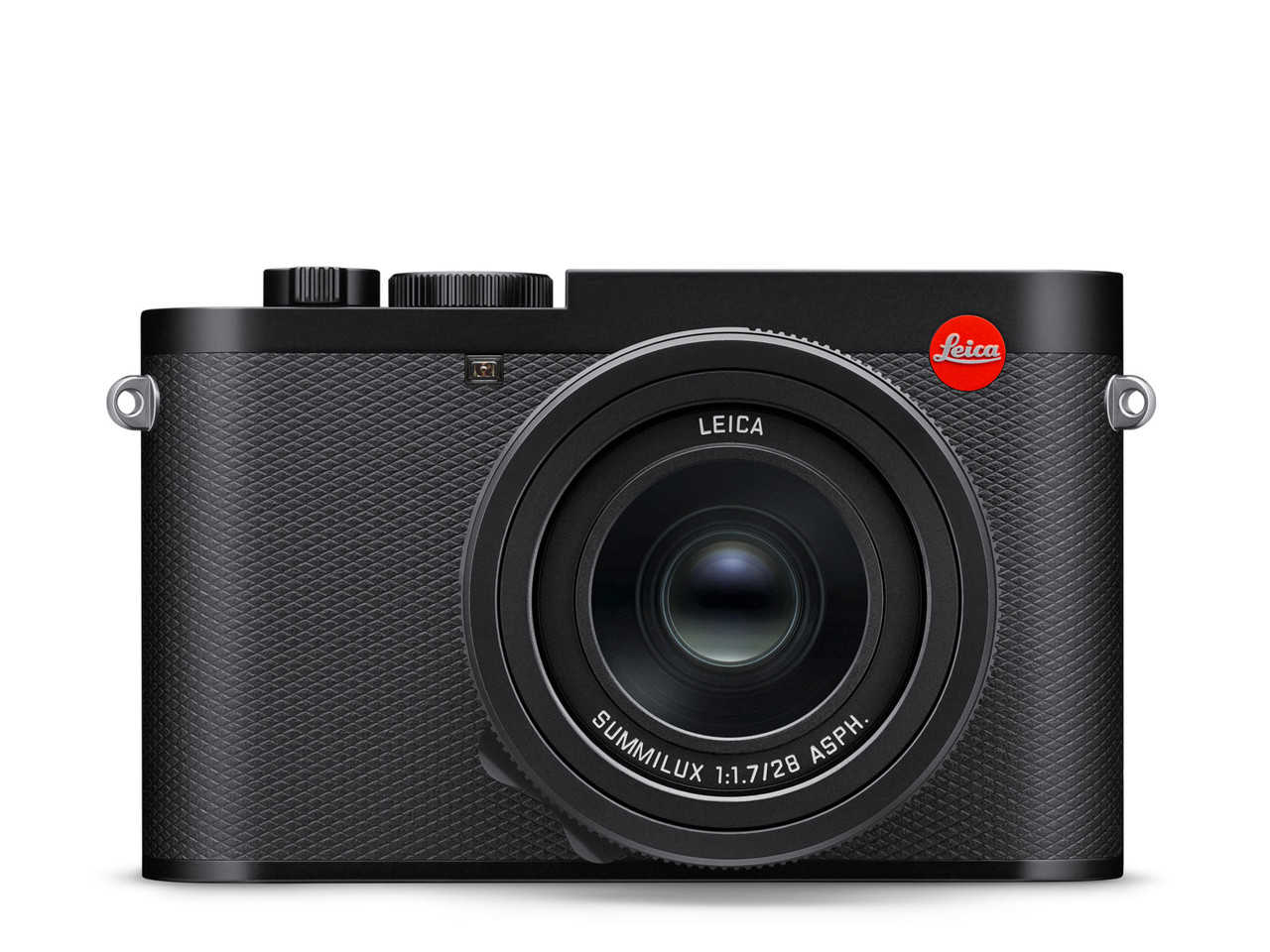
1. Leica Q3
The Leica Q3 is one of the strongest modern street cameras available today. It combines a full-frame sensor with a fixed 28mm Summilux lens in a compact, beautifully built body. For street photography, the Q3’s biggest advantage is focus: one camera, one lens, and a clean workflow that keeps you present in the moment. Instead of thinking about gear choices, you’re free to concentrate on timing, light, and people.
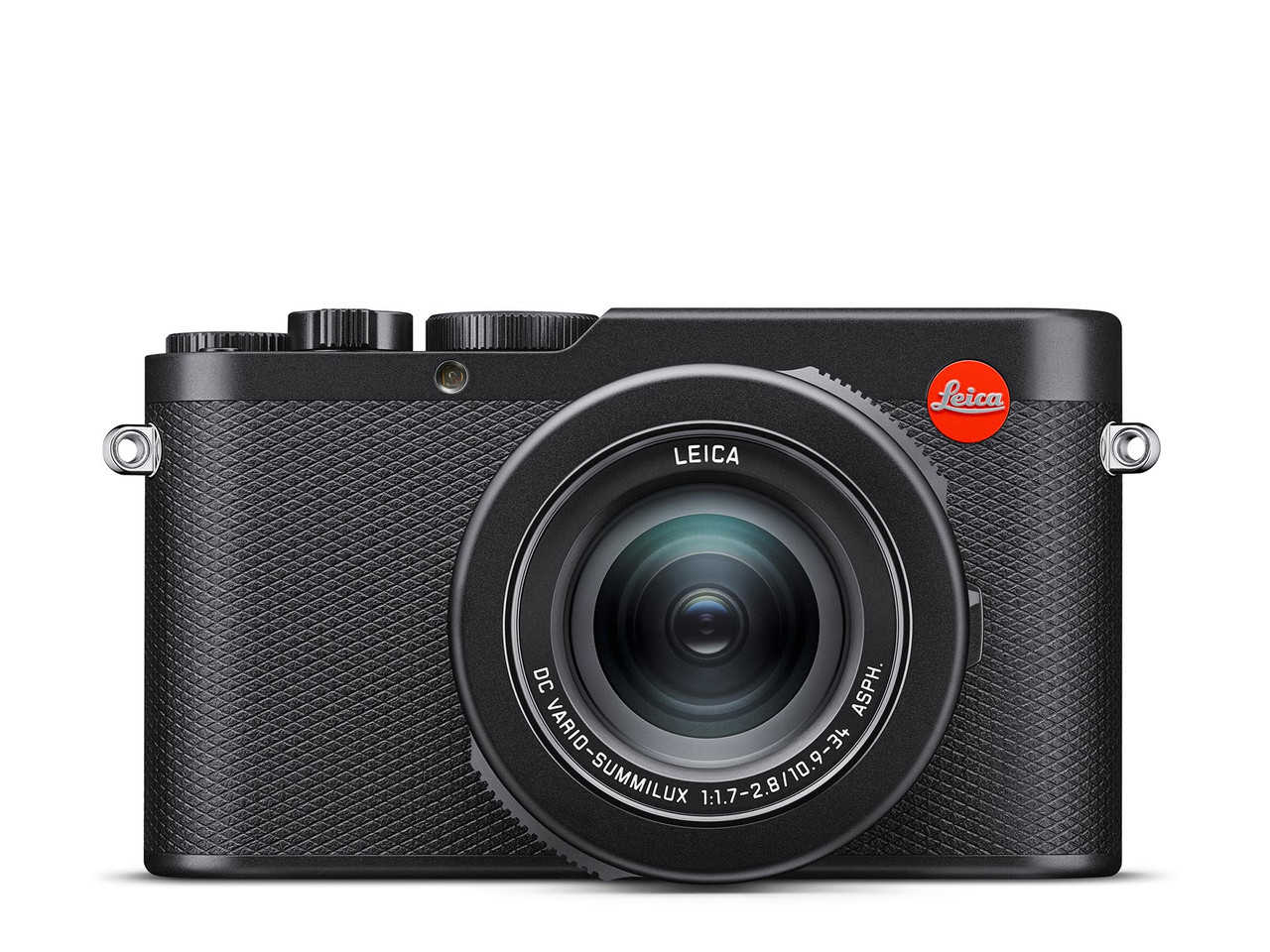
2. Leica D-Lux 8
The Leica D-Lux 8 is the most accessible new Leica camera in the current lineup. It’s small, light, and easy to carry — which matters more than people think, because the best street camera is often the one you actually take with you. While it’s not the classic Leica experience of an M body or a Q series lens, it delivers a straightforward, portable setup for everyday street shooting and travel documentation.
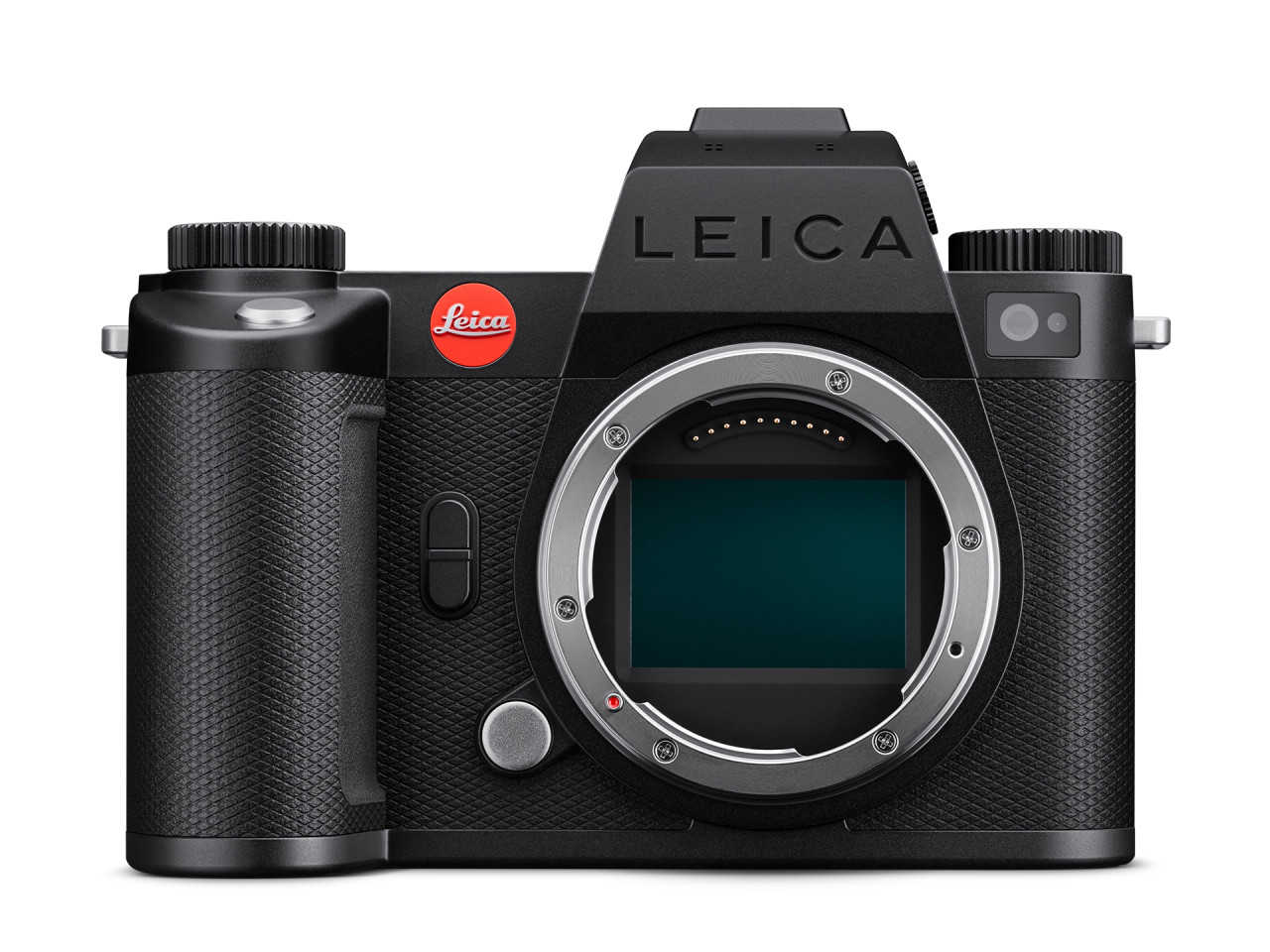
3. Leica SL3-S
The Leica SL3-S is not a traditional “small street camera,” but it can be an excellent choice for photographers who want Leica color, modern performance, and full system flexibility — especially if autofocus reliability is a priority. It’s a strong option for photographers who mix street work with portraits, travel, events, or editorial projects and want one camera that can handle everything while still delivering that Leica look and build quality.
Why Leica Is Rarely a First Camera
A Leica won’t magically fix weak composition or bad timing. It won’t make a boring scene interesting. What Leica does offer is something many photographers eventually crave: focus. The interface is cleaner. The design is more intentional. The camera feels like it was made to support the act of photography, not distract you from it.
Leica and “affordable” will probably never feel fully comfortable together. But if you look at a Leica as a long-term investment rather than a short-term gadget, the value starts to make sense. A Leica is rarely a first camera — it’s usually the camera photographers arrive at after they already know what they want, and what they don’t need.
And unless you really did get one from your rich grandfather, choosing Leica is almost always a deliberate decision. But for many street photographers, once they start shooting with a Leica, the conclusion is simple: it was worth every penny.